The pelvic floor muscles undergo tremendous stretching and stress during pregnancy and childbirth. Whether you had a vaginal delivery or a C-section, many mothers experience lingering weakness, heaviness, or instability in the deep pelvic bowl during the fourth trimester. Prioritizing safe postpartum pelvic floor recovery is essential for rebuilding core stability, restoring bladder control, and returning to daily movements comfortably.
Understanding how your pelvic floor functions alongside your abdominal wall allows you to take gentle, effective steps toward long-term healing.
What Happens to Your Pelvic Floor After Delivery?
Your pelvic floor consists of a hammock-like layer of muscles and connective tissues extending from your pubic bone to your tailbone. It supports your bladder, uterus, and bowels while working in harmony with your diaphragm and abdominal wall.
During pregnancy, carrying extra weight creates downward pressure on these deep supportive tissues. Hormones like relaxin soften the ligaments, and delivery further stretches or strains the muscle fibers. When your pelvic floor muscles lose their tone, your entire deep core system loses its foundation, often leading to lower back discomfort and pelvic instability.
Common Signs of Pelvic Floor Strain
Recognizing the early indicators of muscle weakness helps you adjust your daily habits before symptoms worsen:
- Stress Incontinence: Mild leaking when coughing, sneezing, laughing, or lifting your baby.
- Pelvic Heaviness: A noticeable dragging or heavy sensation in the lower pelvis, especially after standing for long periods.
- Deep Core Weakness: Feeling as though your abdomen lacks lower structural support when walking or climbing stairs.
4 Steps for Postpartum Pelvic Floor Recovery
Rebuilding pelvic floor strength requires a gentle, whole-core approach that combines proper breathing, posture adjustments, and supportive compression.
1. Practice Diaphragmatic Breathing and Gentle Lifts
Avoid aggressive, fast-paced Kegel contractions immediately after birth. Instead, focus on slow diaphragmatic breathing. Inhale gently to let your belly and pelvic floor naturally soften and expand. As you exhale slowly through your mouth, gently draw your pelvic floor upward and inward, as if softly stopping the flow of urine, while lightly engaging your deep abdominal wall.
2. Provide Structural Support with Core Compression
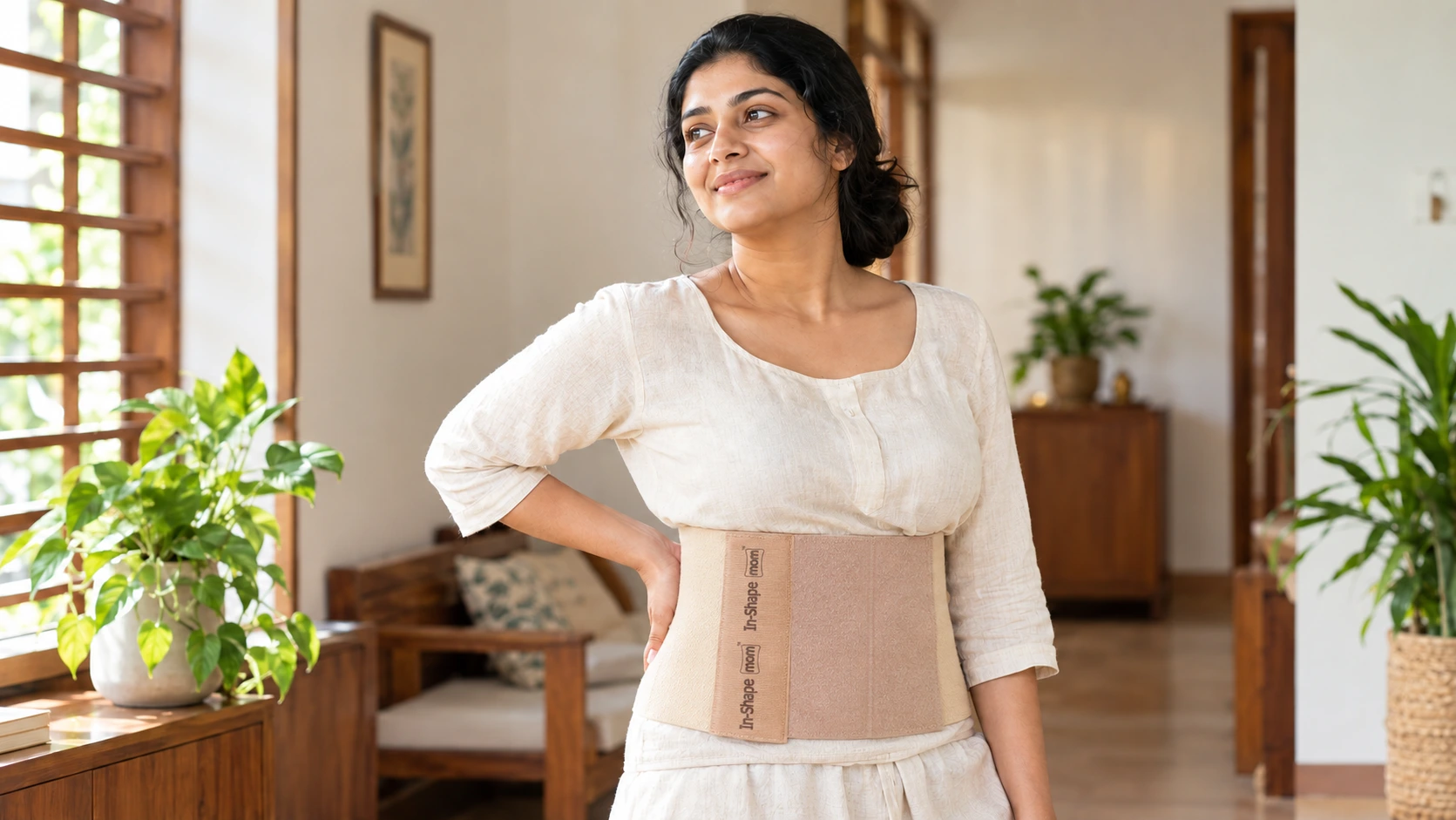
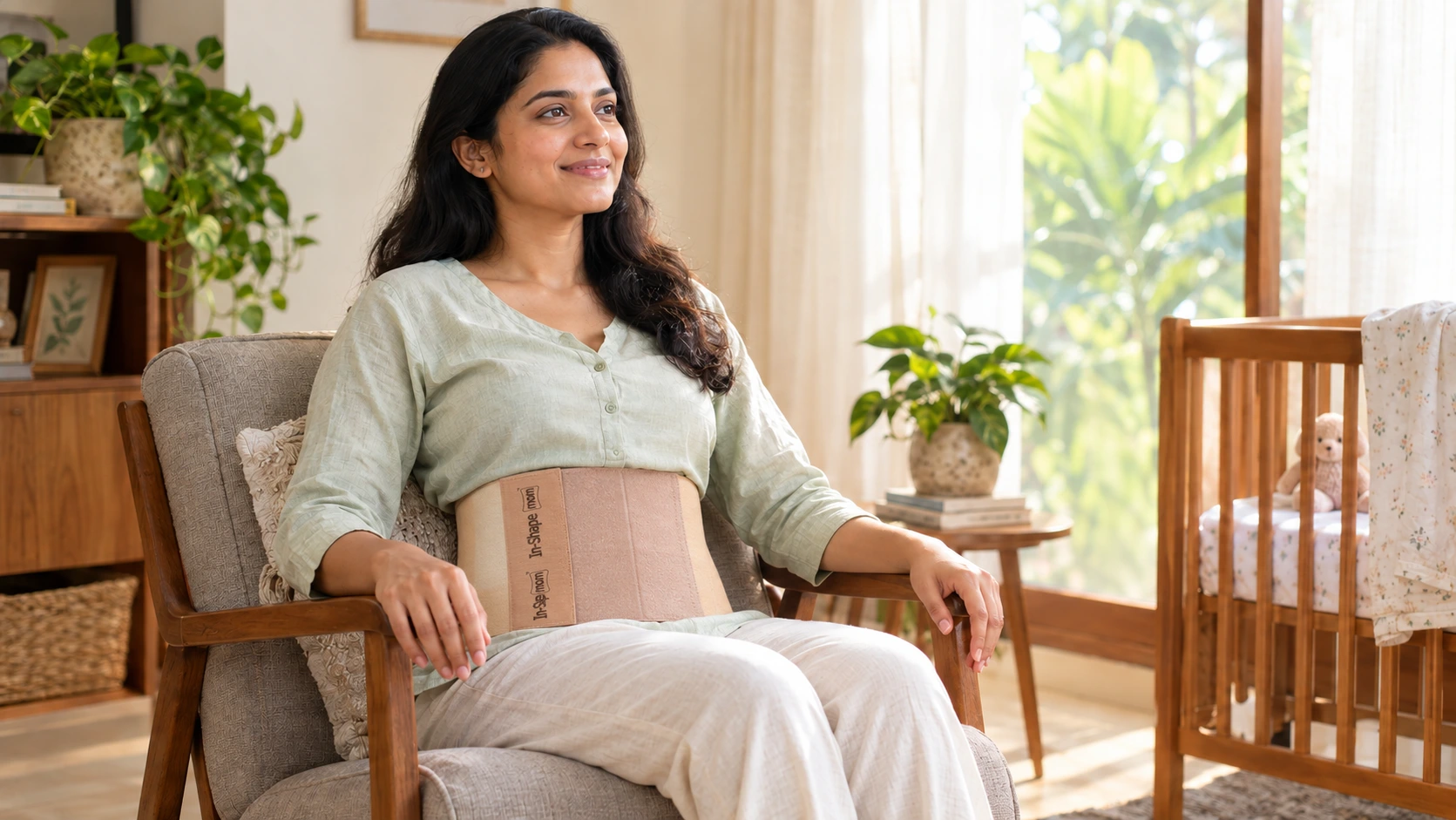
Your pelvic floor and abdominal wall work together as a unit. Wearing a supportive binder like the In-Shape mom postpartum belt offers horizontal compression across the lower abdomen. By providing an external wall of support, the belt reduces downward pressure on the pelvic floor during daily tasks like standing, walking, and carrying your baby.
3. Avoid Intra-Abdominal Pressure Spikes
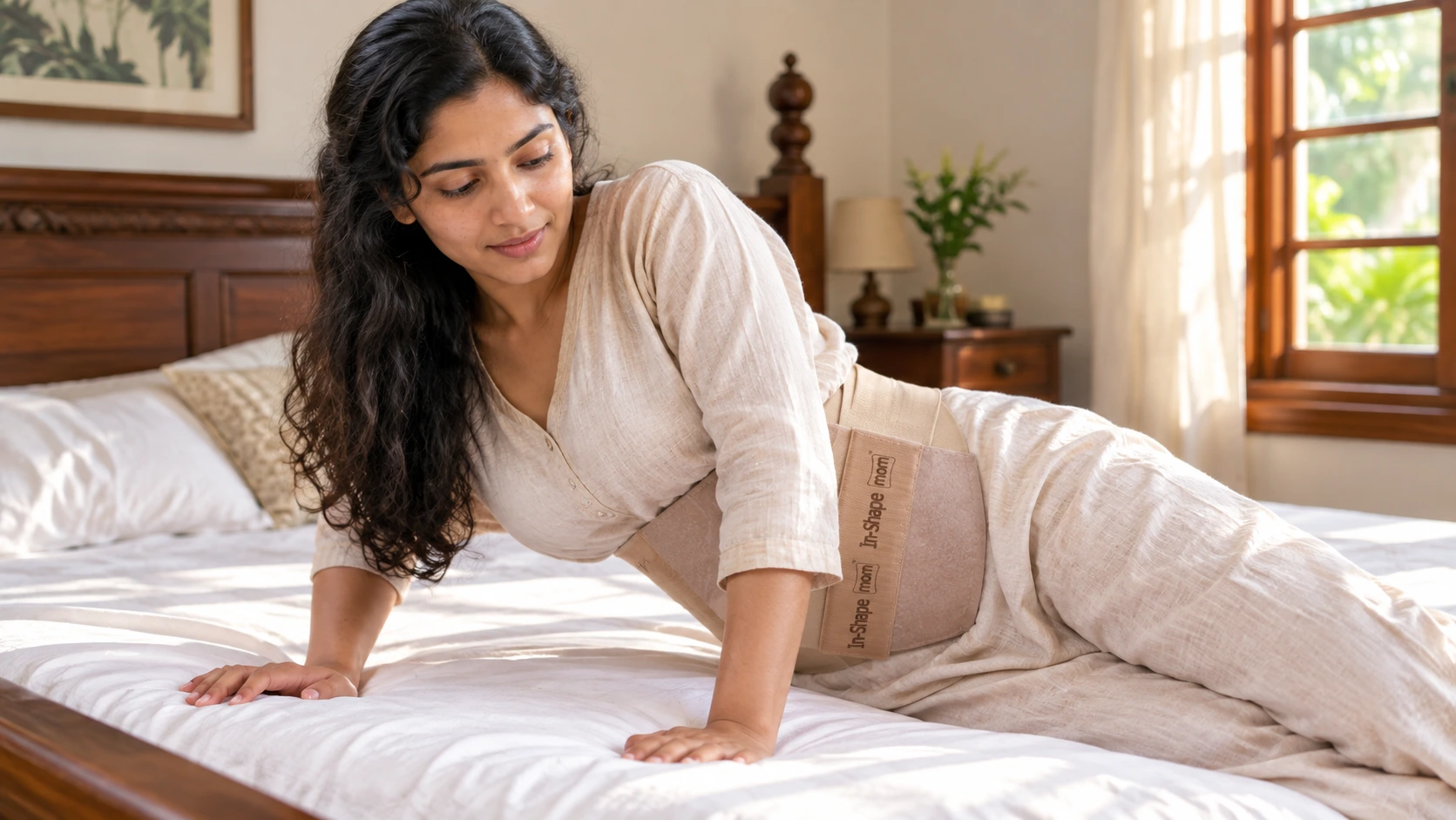
Activities that force outward pressure on your abdomen place excessive downward force on your healing pelvic floor. Avoid traditional sit-ups, heavy weightlifting, and straining during bowel movements. Always roll onto your side before pushing yourself up from a lying position.
4. Practice Good Alignment While Feeding and Standing
Slumping or standing with your pelvis tucked under puts uneven strain on your pelvic floor. Sit tall with your sit-bones evenly grounded during nursing, and stand with your weight distributed equally over both feet to keep your pelvic bowl balanced.
Nurturing Your Deep Core Safely
Restoring pelvic floor function takes time, consistency, and gentle care. By combining proper breathing patterns, mindful body mechanics, and external compression, you can rebuild your foundational core strength with confidence.
Support your deep core foundation throughout your recovery. Discover the In-Shape mom recovery belt collection at In-Shape Global.