During pregnancy, your abdominal muscles endure a tremendous amount of sustained stretching to make room for your growing baby. For many mothers, the left and right sides of the abdomen remain separated long after delivery, leaving a noticeable gap down the center of the stomach. Navigating safe postpartum diastasis recti recovery is one of the most critical steps in rebuilding your deep core strength and preventing long-term back pain during the fourth trimester.
Understanding Abdominal Separation and Postpartum Diastasis Recti Recovery
Your core is held together by a central band of connective tissue called the linea alba. As your uterus expands, hormones like relaxin soften this tissue, allowing your outermost abdominal muscles (rectus abdominis) to separate.
While this separation is a natural part of pregnancy, the tissue often loses its elasticity. If the gap remains wider than two finger-widths after delivery and you notice a “coning” ridge when sitting up, you need a targeted strategy for postpartum diastasis recti recovery. Without proper management, this lack of midline tension can lead to pelvic floor dysfunction and severe lower back fatigue.
4 Essential Steps for Postpartum Diastasis Recti Recovery
Rebuilding your midline requires patience and highly intentional movement. Many traditional fitness routines can actually worsen abdominal separation if introduced too early.
1. Avoid Traditional Crunches and Planks
Exercises like sit-ups, crunches, heavy lifting, and front planks place intense forward pressure on the linea alba. This outward force pushes the abdominal muscles further apart, causing the belly to dome and severely delaying tissue repair.
2. Use Ergonomic Core Compression
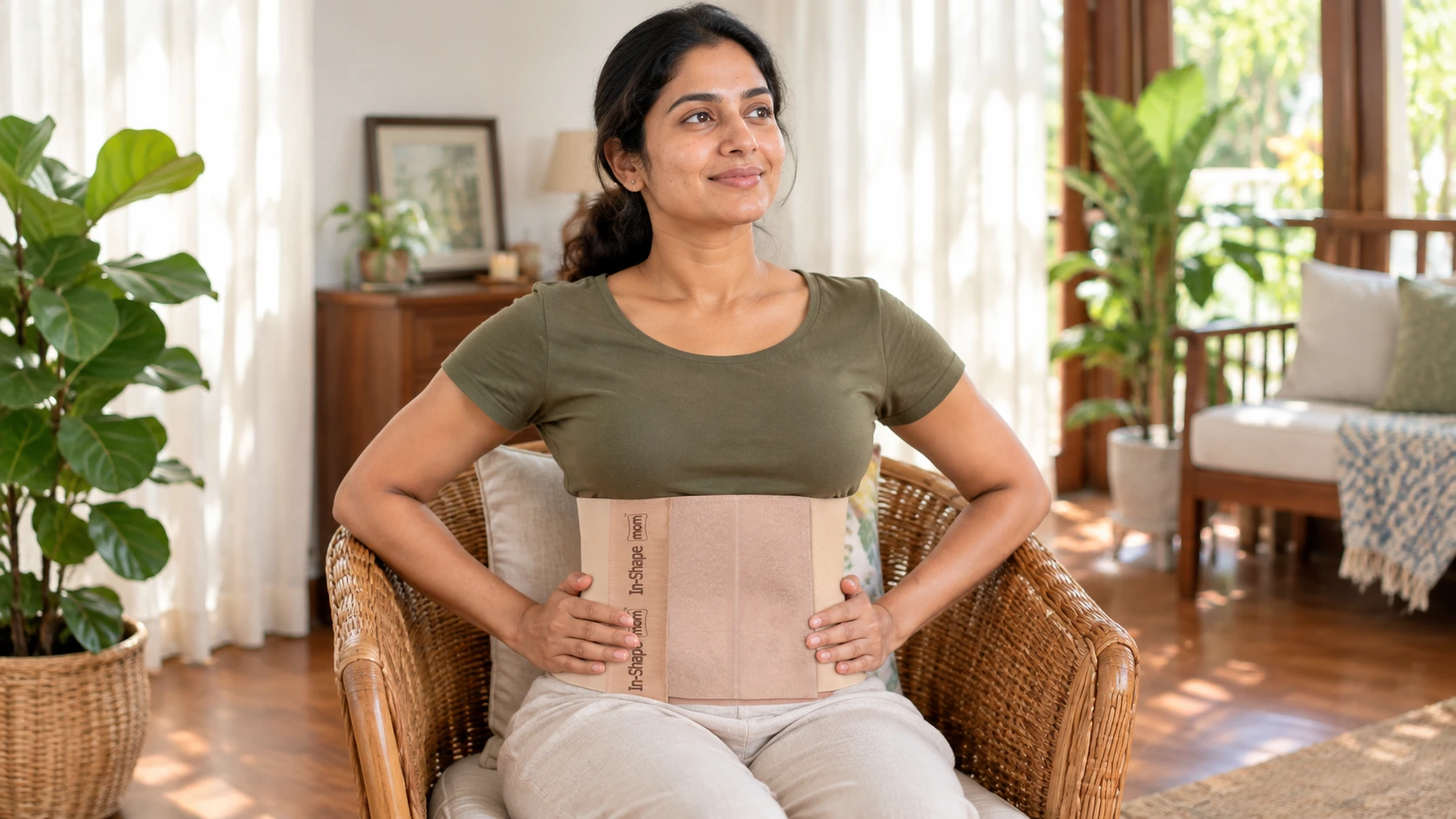
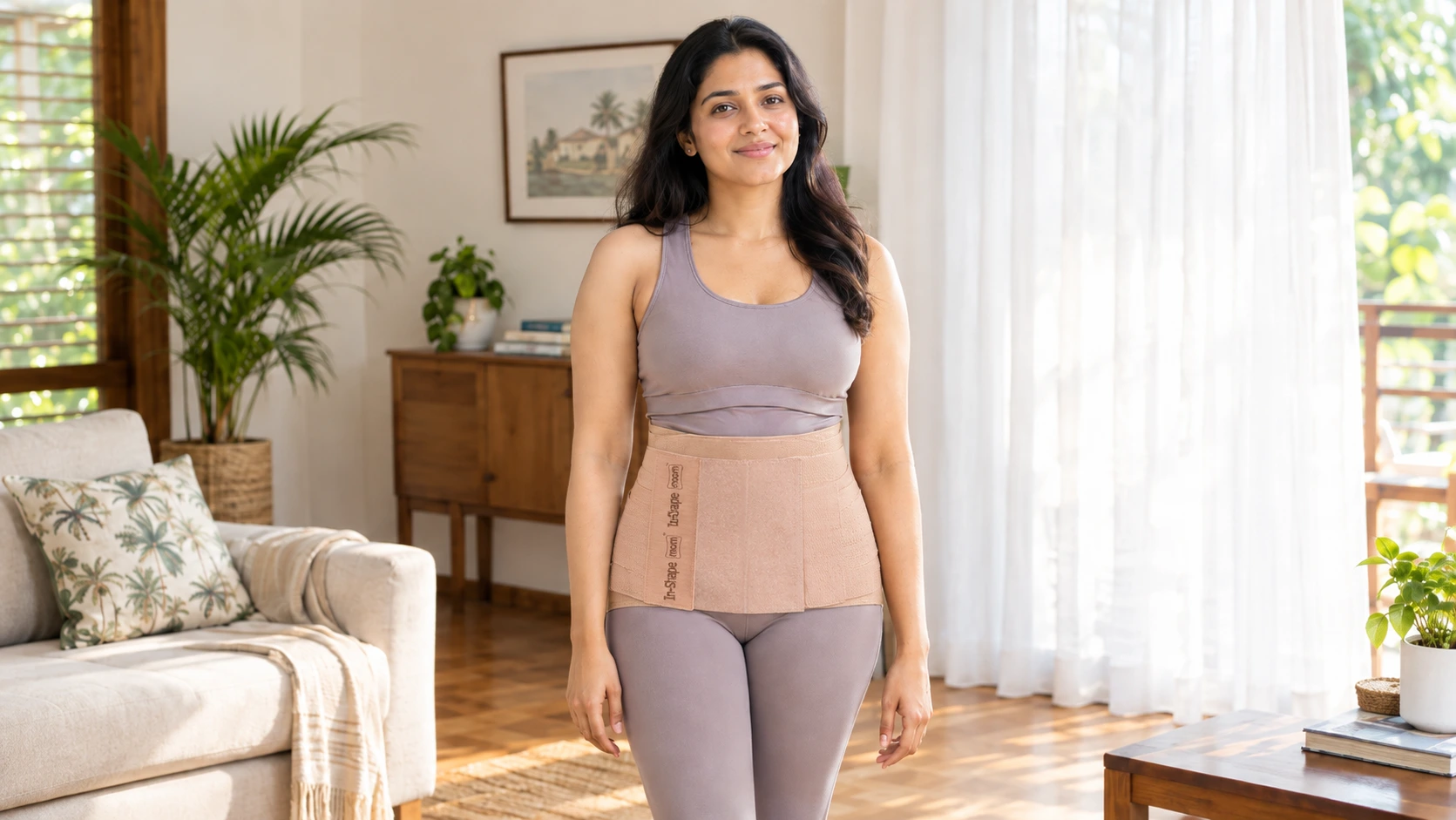
When your abdominal wall lacks internal tension, external support is vital. Wearing an anatomical binder like the In-Shape mom postpartum belt provides gentle horizontal compression that coaxes the separated muscle bellies back toward the midline, accelerating your postpartum diastasis recti recovery.
3. Engage the Transverse Abdominis
The foundation of healing lies in your deepest core muscle, the transverse abdominis, which acts as a natural corset. Practice diaphragmatic breathing: inhale deeply to expand your ribs, and as you exhale, gently draw your belly button inward and upward to support postpartum diastasis recti recovery.
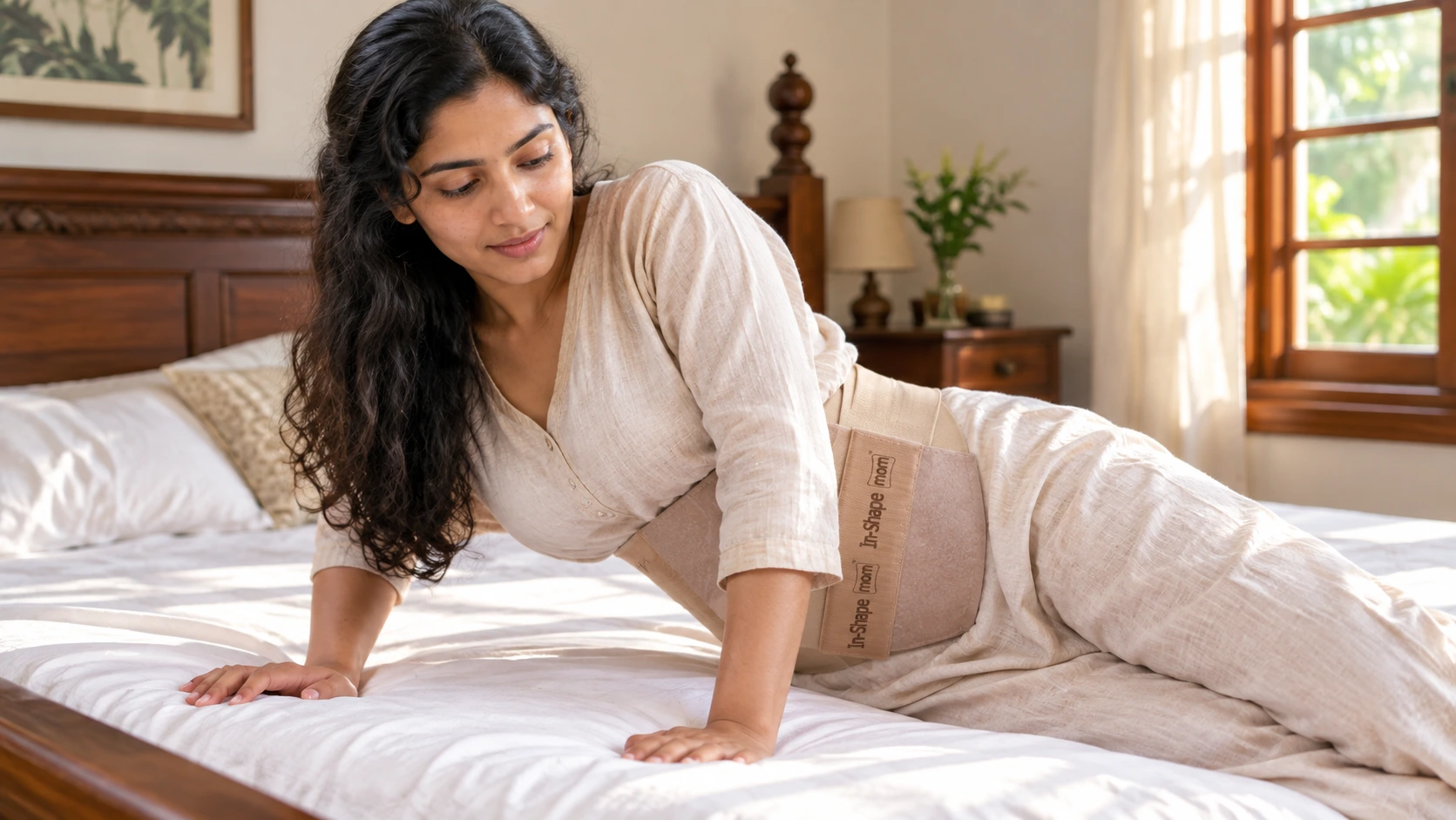
4. Roll to the Side When Rising
Never sit straight up out of bed. The simple act of jackknifing forward creates immense intra-abdominal pressure. Instead, always roll entirely onto your side and use your arms to push yourself up into a seated position.
When to Consult a Specialist for Postpartum Diastasis Recti Recovery
If your gap does not improve after several months of mindful movement and compression, or if you experience pelvic heaviness, incontinence, or severe back pain, consult a pelvic floor physical therapist. They can provide a personalized assessment and advanced rehabilitative exercises tailored to your specific tissue laxity.
Protecting Your Healing Core
Your body performed an incredible feat, and its structural healing cannot be rushed. By avoiding strain, practicing deep core breathing, and providing anatomical support, you can close the gap safely and regain your functional strength.
Give your midline the structural support it needs to heal. Explore the In-Shape mom recovery belt collection at In-Shape Global.