Meta Description: Discover why core support and postpartum abdominal binders are essential for new mothers. Learn how a high-quality postpartum belt aids healing, reduces back pain, and safely restores core strength after childbirth.
The birth of a child is a monumental, life-changing event. However, while the world naturally shifts its focus to the newborn, a mother’s body enters a critical phase often referred to as the “fourth trimester.”
Postpartum recovery is a profound physical transition. During pregnancy, your body undergoes massive structural changes to carry a baby, leaving the abdominal muscles, ligaments, and pelvic floor deeply stretched and weakened.
Prioritizing your physical recovery isn’t just about bouncing back—it’s about rebuilding your foundation safely. One of the most effective, expert-recommended tools to assist in this transition is a dedicated postpartum core support belt.
Here is a look at the science behind postpartum core recovery and why structural support is essential for new mothers.
The Physical Reality of the Postpartum Core
During the nine months of pregnancy, the hormone relaxin loosens your ligaments to allow your pelvis to expand. Simultaneously, your rectus abdominis (the “six-pack” muscles) stretch to their absolute limit, often separating down the middle—a common condition known as Diastasis Recti.
Once delivery is over, these muscles and ligaments do not instantly snap back. This leaves the lower back to bear the brunt of your daily movements, leading to:
- Persistent lower back and pelvic girdle pain.
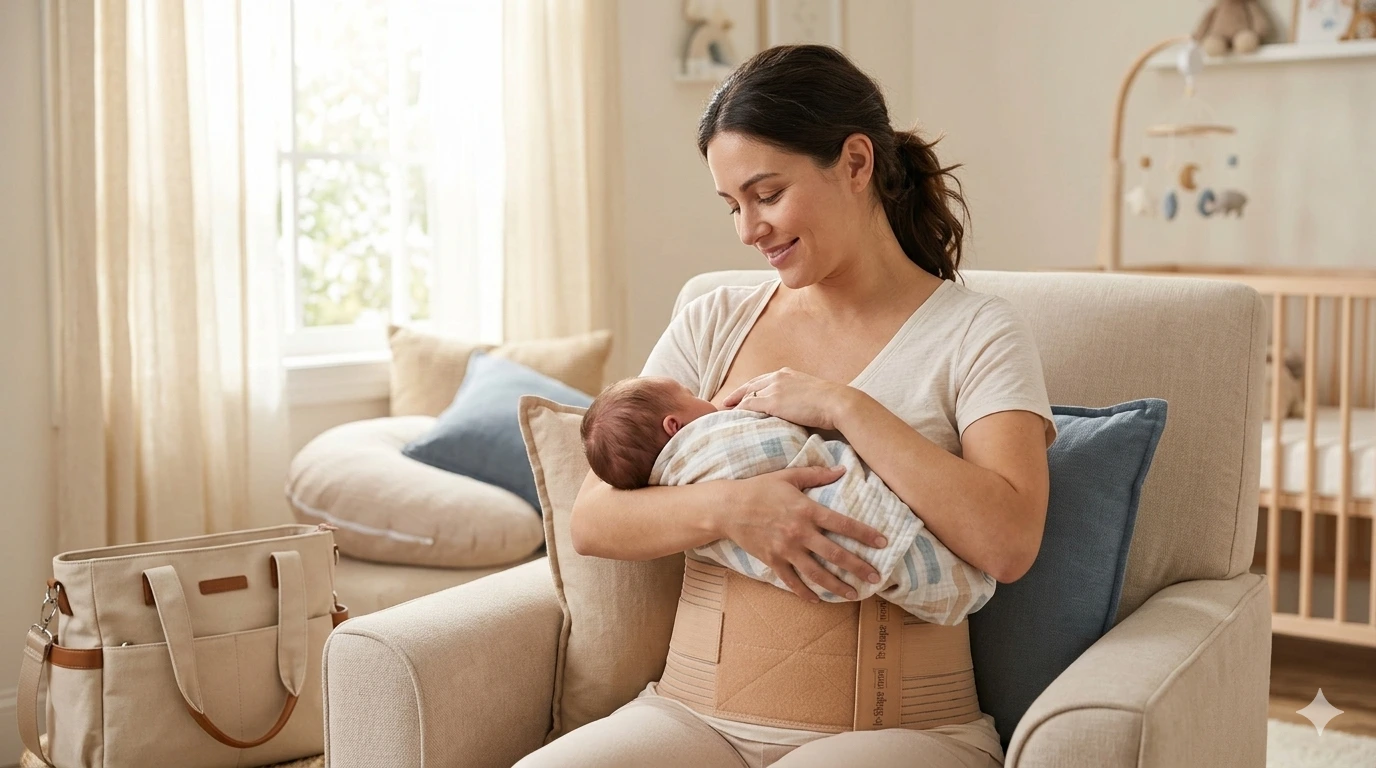
- Poor posture during breastfeeding or holding the baby.
- A feeling of core instability or “emptiness” in the abdomen.
3 Crucial Benefits of Postpartum Core Support
Using an anatomical abdominal binder or postpartum support belt provides targeted external stability when your internal support system is compromised.
1. Promotes Healing and Aids Diastasis Recti Recovery
A high-quality support belt provides gentle, horizontal compression across the abdomen. This compression helps bring the separated abdominal walls closer together, supporting the natural healing of the connective tissue (linea alba). By stabilizing the area, it prevents further strain during daily movements.
2. Alleviates Postpartum Back Pain & Corrects Posture
Lifting a newborn, rocking them to sleep, and leaning over a crib puts incredible stress on a weakened core. A supportive binder acts as a temporary splint, encouraging proper spinal alignment and preventing the pelvic tilt that causes chronic lower back pain.
3. Provides Crucial Support After a C-Section
For mothers who deliver via Cesarean section, a support belt is invaluable. It protects the surgical incision site, reduces painful micro-movements when coughing or laughing, and provides the abdominal wall with a sense of security, allowing for safer, more confident mobility during early recovery.
What to Look for in a Postpartum Support Belt
Not all compression garments are suitable for maternal recovery. High-pressure shapewear can actually exert dangerous downward pressure on a vulnerable pelvic floor. Instead, look for an ergonomically engineered physical support product designed specifically for recovery.
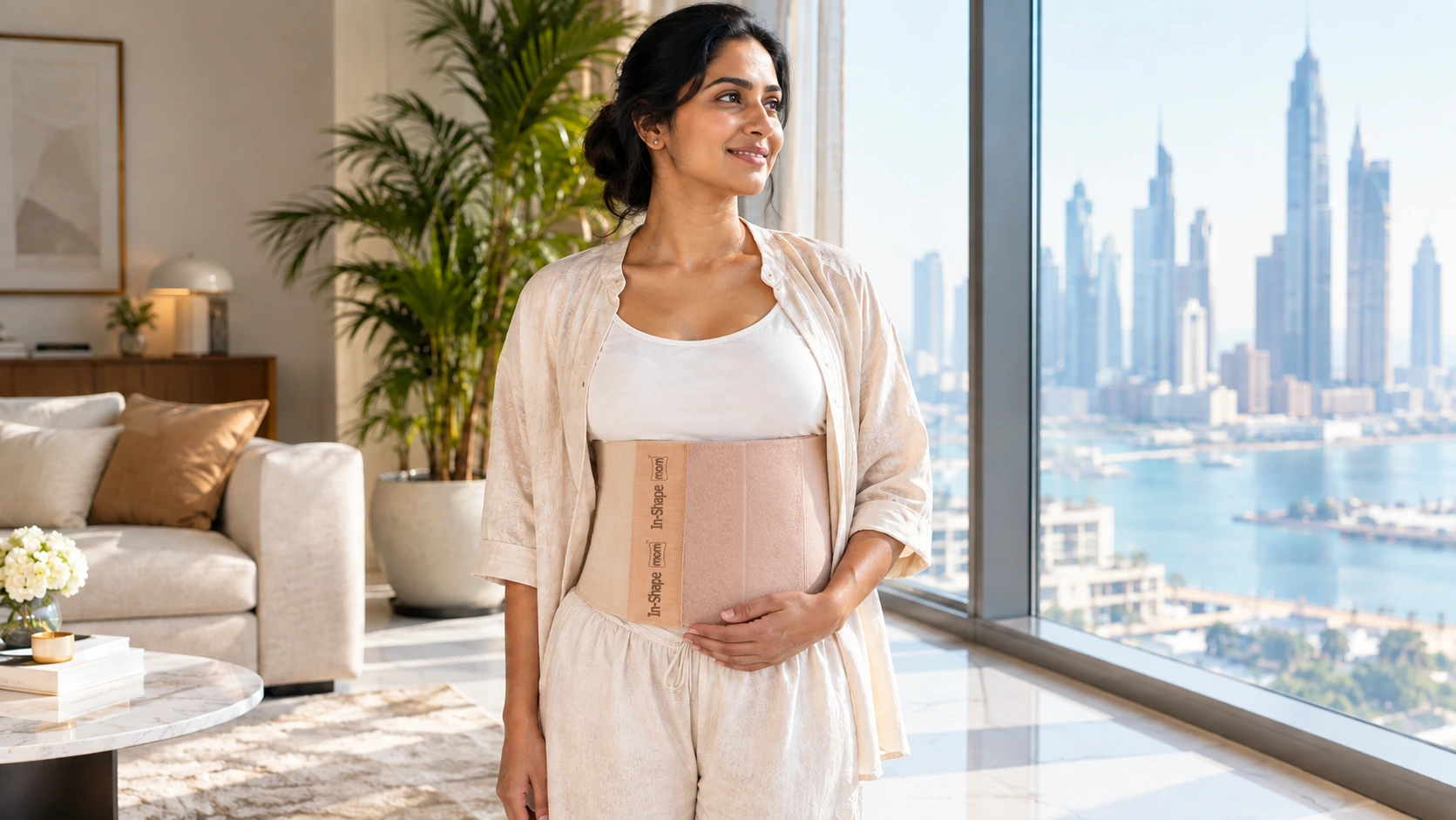
As shown in the structural design featured in WhatsApp Image 2026-06-02 at 14.00.49.jpeg, a premium recovery solution like the In-Shape mom belt focuses on three core principles:
- Adjustable, Multi-Panel Compression: Your body changes rapidly in the weeks following childbirth. A broad, secure fastening system allows you to customize the tightness to your exact comfort level as your swelling goes down.
- Breathable, Skin-Friendly Materials: Because you will be wearing the support band for hours at a time—often under or over clothing—soft, hypoallergenic, and breathable fabrics are non-negotiable to prevent skin irritation.
- Optimal Vertical Coverage: A great recovery belt must be wide enough to support the entire abdominal region uniformly from just below the bust line to the hips, preventing rolling, bunching, or uneven pressure.
How to Integrate Core Support Safely
To get the maximum benefit from your core support belt, keep these best practices in mind:
- Listen to Your Body: Wear the belt during hours when you are most active—such as walking, lifting, or nursing. You do not need to wear it while sleeping unless specifically advised by your physician.
- Avoid Overtightening: The goal is support and gentle compression, not constriction. You should always be able to breathe deeply and comfortably.
- Combine with Gentle Rehabilitation: A support belt is an excellent external aid, but it works best alongside gentle pelvic floor and deep core rehabilitation exercises (like diaphragmatic breathing) once cleared by your doctor.
Empower Your Recovery Journey
Investing in your physical well-being is the first step toward enjoying motherhood with strength and vitality. By providing your body with the structural support it needs, you can reduce discomfort, protect your long-term health, and focus fully on bonding with your new baby.
Are you ready to support your body through the fourth trimester? Explore our range of premium, recovery-focused wellness solutions at In-Shape Global.