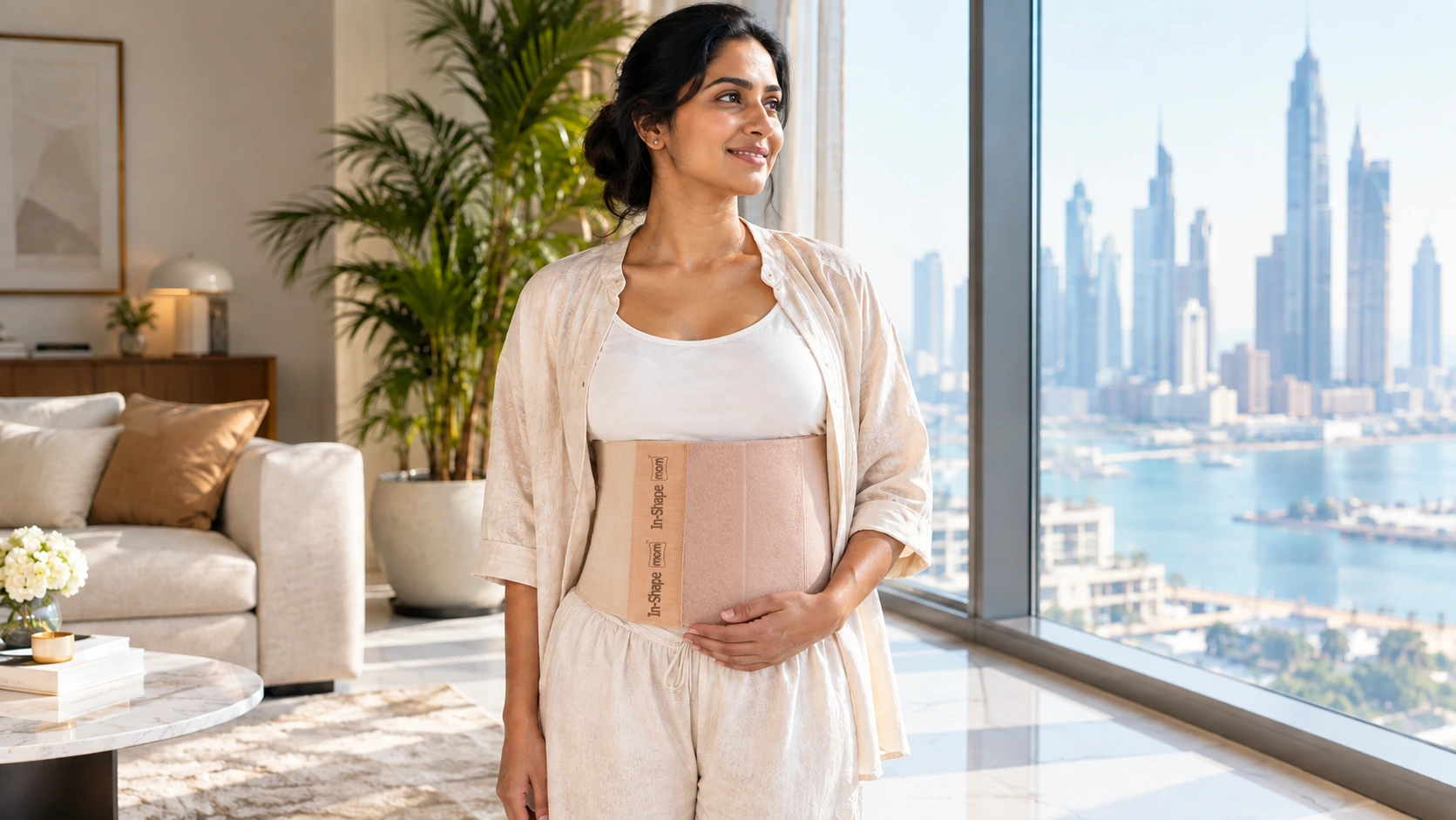
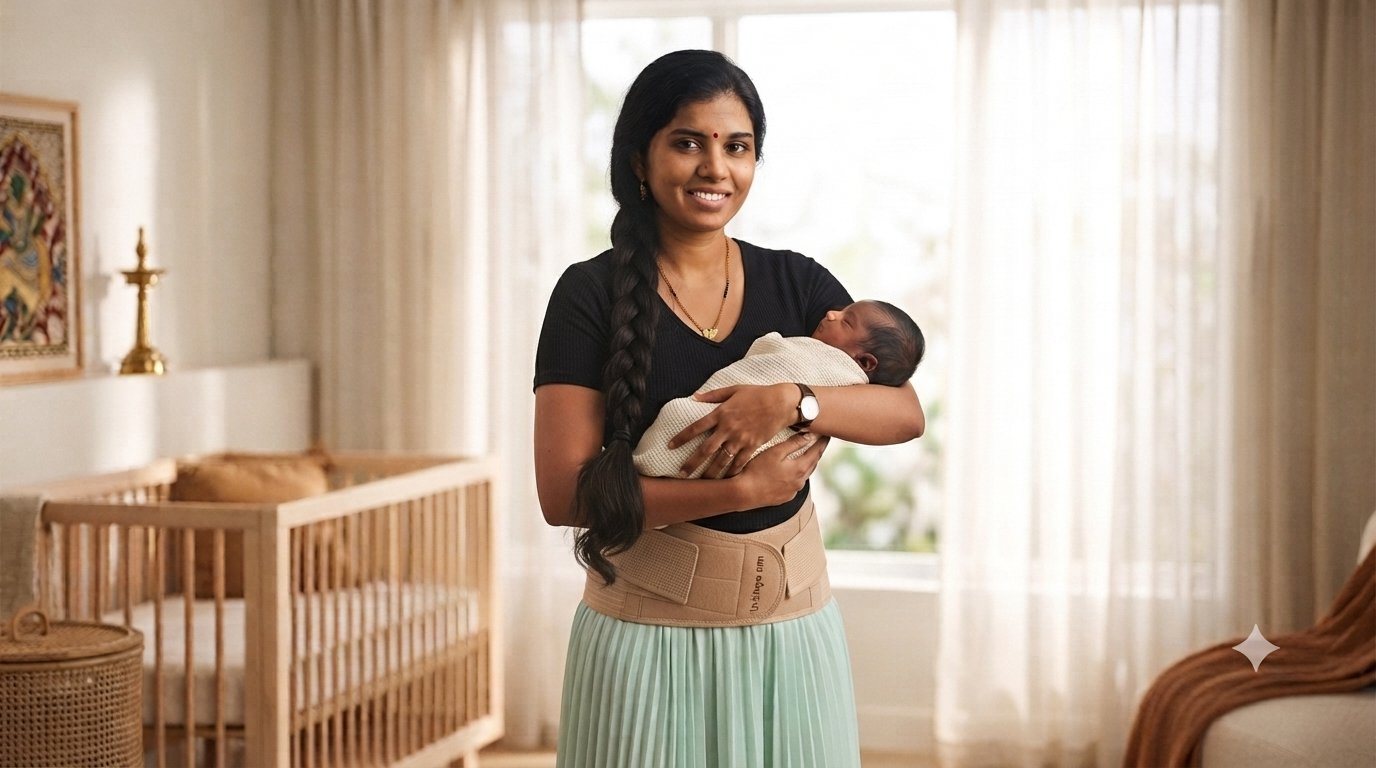
A Cesarean section is a remarkable way to bring a child into the world, but it is often easy to forget that it is also a major surgical procedure. While your attention immediately shifts to loving and caring for your newborn, your body is tasked with recovering from incisions made through multiple layers of tissue, fascia, and muscle.
In those first critical weeks post-surgery, basic movements like standing up from a chair, coughing, or holding your baby can trigger sharp abdominal discomfort. This is where an ergonomically designed C-section abdominal support binder becomes your ultimate recovery secret weapon.
Here is a deep dive into the physical reality of C-section healing and how targeted core support can make your recovery smoother, safer, and far more comfortable.
The Physical Reality of C-Section Healing
During a C-section, surgeons navigate through skin, fat, connective tissue, and the abdominal wall to safely deliver your baby. While the abdominal muscles themselves are typically separated rather than cut, the surrounding structural support system suffers significant trauma.
In the days and weeks following delivery, you may experience:
- Incision Line Sensitivity: Micro-movements caused by walking, laughing, or bending pull on the healing wound.
- A Feeling of Core Separation: Without internal stability, your midsection can feel empty or unsupportive.
- Compensatory Back Strain: Because your abdominal muscles cannot function at full strength, your lower back overcompensates, leading to severe stiffness and posture issues.
4 Reasons Abdominal Support is a Game-Changer
Using a specialized post-surgical support binder provides the external structural stability your body temporarily lacks, acting as an essential bridge while your internal tissues heal.
1. Protects the Incision & Reduces Pain
The primary fear for many mothers post-C-section is pulling on their stitches or staples. A high-quality abdominal binder acts as a protective shield over the lower abdomen. By applying gentle, continuous pressure, it minimizes painful friction between your clothing and the incision site while keeping the healing tissue stabilized during movement.
2. Boosts Early Mobility and Confidence
Medical experts encourage gentle walking soon after a C-section to prevent blood clots and stimulate digestion. However, fear of pain often holds mothers back. Core support provides immediate physical reassurance, allowing you to stand taller, walk with confidence, and move around without feeling like your abdomen is straining.
3. Supports Posture During Breastfeeding and Baby Care
Lifting a newborn repeatedly throughout the day places immense stress on a vulnerable core. An anatomical support band acts as a gentle splint for your spine, correcting posture, alleviating lower back fatigue, and taking pressure off the pelvic floor while nursing or rocking your baby.
4. Reduces Post-Surgical Swelling
Swelling (edema) is a natural response to surgery. Controlled, horizontal compression helps fluid drain more efficiently, reducing fluid buildup around the midsection and encouraging your abdominal wall to gradually retract.
What to Look For in a C-Section Recovery Belt
Not all postpartum shapewear is safe for surgical recovery. High-pressure compression garments can apply downward force that stresses your pelvic floor or irritate fresh surgical wounds. Look for a medical-grade, recovery-focused binder with these essential design qualities:
- Ultra-Soft, Hypoallergenic Fabric: The material touching your skin must be gentle, breathable, and free from rough seams that could rub against the incision.
- Adjustable Multi-Panel Closure: As post-surgical swelling decreases over the first month, your support belt should adapt to your changing body without losing its structural integrity.
- Wide Vertical Coverage: The binder must cover the lower abdomen completely down to the hips without rolling up, ensuring uniform pressure distribution across the entire core.
Tips for Safe C-Section Support Integration
To get the most out of your recovery binder, keep these practical safety guidelines in mind:
- Get Doctor Clearance: Always consult your obstetrician or midwife before applying a binder over a fresh surgical site.
- Ensure Proper Placement: Position the belt so it supports the lower belly smoothly without placing concentrated pressure directly on top of the raw wound edge.
- Prioritize Comfort Over Tightness: The goal is support and gentle compression, not waist training. You should be able to take full, deep breaths comfortably.
- Pair with Rest: External support is an aid, not a replacement for rest. Give your body ample time to heal internally while pacing your daily activities.
Reclaim Your Strength Comfortably
Your body accomplished something extraordinary, and taking proactive steps to care for yourself after surgery is vital for long-term health. By giving your midsection the structural stability it needs, an abdominal support belt empowers you to heal with less pain, move with confidence, and focus on enjoying your early moments with your newborn.
Invest in a gentler, more supported recovery. Explore our range of specialized maternal recovery solutions at In-Shape Global.