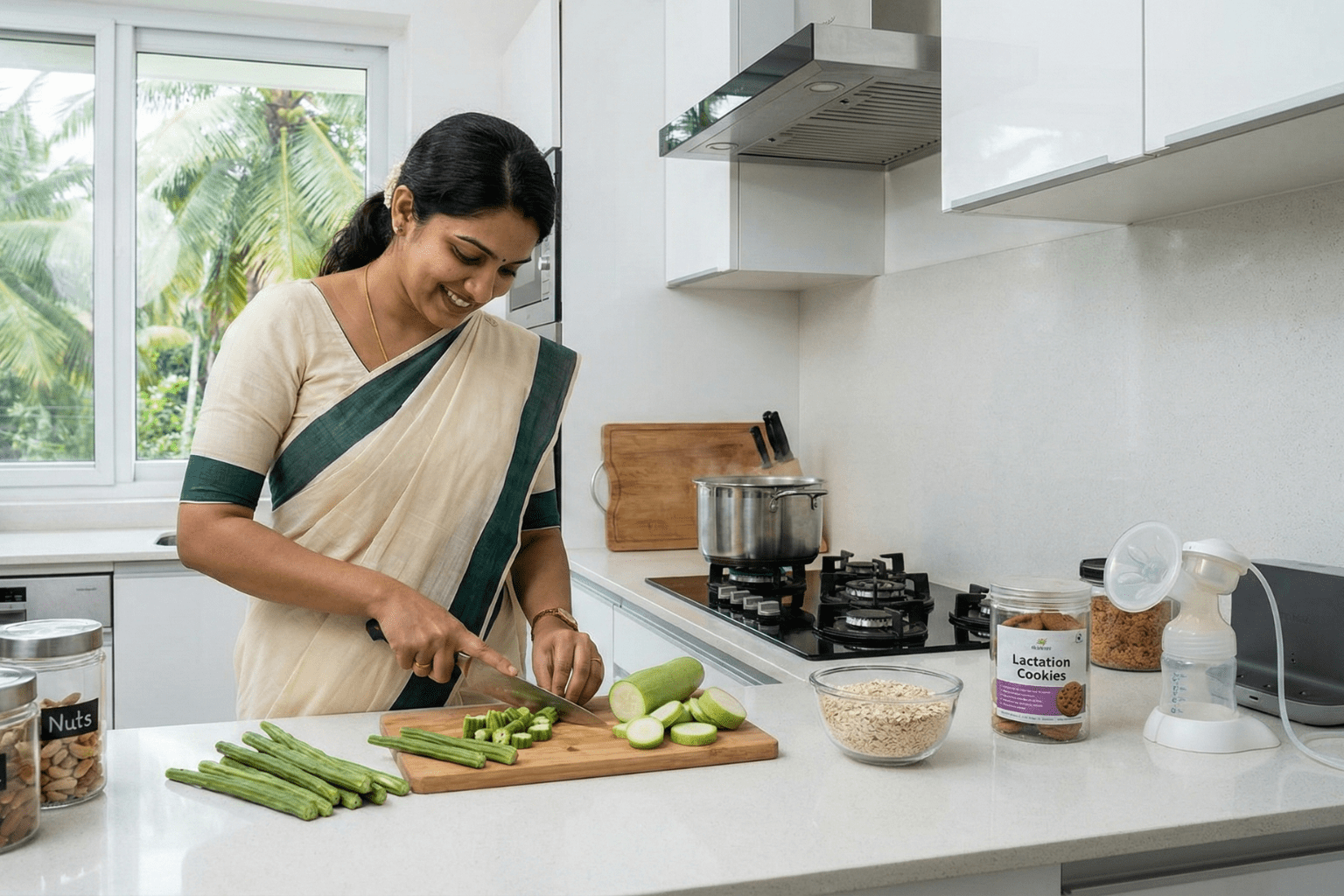

Motherhood is a beautiful journey, but when you’re embarking on it for the first time in your late 30s or 40s, it comes with unique challenges. As more women choose to delay motherhood for career, personal growth, or health reasons, the number of first-time older moms is steadily rising. But what does it really feel like to be a first-time older mom?
Let’s explore the honest truth, challenges, and tips to help you thrive on this extraordinary path.
1. Late Pregnancy: Higher Risks, Deeper Care
Being pregnant at 35 or beyond comes with a higher risk of complications such as gestational diabetes, high blood pressure, and genetic abnormalities. This is why older moms often fall under the “advanced maternal age” category.
✅ Tip: Partner with a trusted OB-GYN early. Opt for regular screenings and consider genetic counseling for peace of mind.
2. Emotional Pressure and Self-Doubt
Older first-time moms often battle a wave of self-doubt:
“Am I too old for this?”
“Will I have enough energy?”
“How do I relate to younger moms?”
This emotional challenge is real but rarely talked about. Society tends to glamorize younger motherhood while subtly judging older moms.
✅ Tip: Surround yourself with a supportive community. Find local or online groups of moms over 35. You’re not alone—and your experience matters.
3. Energy Levels: Slower Days, Stronger Will
Chasing a toddler in your 40s can be physically exhausting. Your body doesn’t bounce back as quickly as it might have a decade ago, and sleepless nights hit harder.
✅ Tip: Focus on small wins—consistent sleep when possible, gentle exercise like yoga or walking, and don’t hesitate to ask for help.
4. The Generational Gap
You might find yourself parenting alongside moms who are 10 or even 15 years younger. That gap can sometimes create feelings of isolation, especially in school groups or playground chats.
✅ Tip: Use this as an opportunity to mentor and also learn. Life experience is your strength. And remember—parenting is a shared journey, regardless of age.
5. Career and Identity Shifts
Many older moms are established in their careers and face the difficult transition from professional life to motherhood. The identity shift can be emotionally challenging.
✅ Tip: Communicate with your partner or employer. If you’re returning to work, look into flexible arrangements. Your career and your child can coexist with the right balance.
6. Financial Readiness
The good news? Most older moms are more financially stable. This allows for better choices in healthcare, schooling, and lifestyle—but it can also bring stress about future planning.
✅ Tip: Start early on financial planning for your child’s education and your own retirement. Consider consulting a financial advisor for long-term strategies.
7. The Gift of Wisdom and Patience
Yes, being an older mom is hard—but it’s also a gift. You’re entering motherhood with maturity, emotional intelligence, and deeper patience. These qualities often lead to more intentional and connected parenting.
Final Thoughts: You’re Not Late—You’re Right on Time
There is no perfect age to become a mother. Whether you’re 25 or 45, every parenting journey is valid and beautiful. If you’re a first-time older mom, know this:
💖 Your story is powerful.
💖 Your child is lucky to have you.
💖 You are exactly where you need to be.