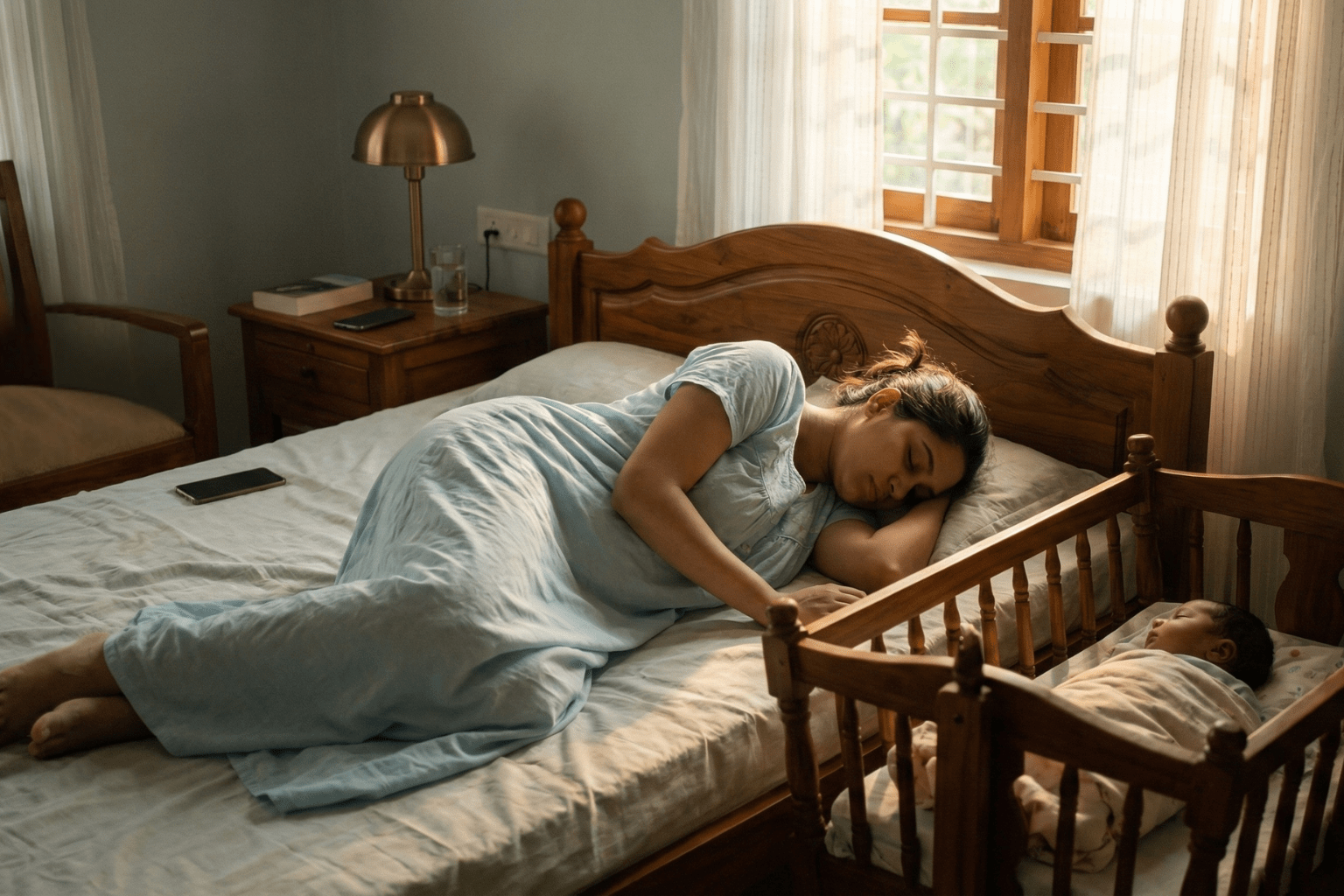

Bringing a newborn into the world is a joyful experience, but it also comes with challenges—especially when it comes to sleep. Many mothers expect sleepless nights in the first few weeks, but what surprises many is the sudden return of disrupted sleep patterns even months later. This is known as postpartum sleep regression.
In this blog, we’ll explore what postpartum sleep regression is, why it happens, and practical ways moms can cope with it while supporting their overall well-being.
🔑 What Is Postpartum Sleep Regression?
Postpartum sleep regression occurs when mothers, after initially experiencing improved sleep, begin struggling again with insomnia, fragmented rest, or difficulty staying asleep. Unlike normal newborn-related wake-ups, this regression often stems from hormonal shifts, stress, and lifestyle adjustments.
🔑 Why Does Postpartum Sleep Regression Happen?
1. Hormonal Changes
- After birth, estrogen and progesterone levels fluctuate, influencing mood and sleep cycles.
- Prolactin and oxytocin (linked with breastfeeding) may also affect sleep quality.
2. Stress and Anxiety
- Worries about the baby’s health, household responsibilities, or returning to work can keep the mind racing at night.
3. Sleep Associations with Baby
- Moms may continue waking up at every small sound, even after babies start sleeping longer stretches.
4. Physical Discomfort
- Postpartum healing, breastfeeding pain, or backaches can interrupt restful sleep.
5. Lifestyle Shifts
- Juggling caregiving, work, and personal time often leads to irregular sleep schedules.
🔑 Signs of Postpartum Sleep Regression
- Trouble falling asleep despite exhaustion
- Frequent night waking without baby-related reasons
- Morning fatigue and brain fog
- Mood swings, irritability, or heightened anxiety
- Decreased motivation and energy during the day
🔑 How Moms Can Cope With Sleep Regression
1. Prioritize Sleep Hygiene
- Stick to a consistent bedtime routine.
- Keep your bedroom dark, cool, and quiet.
- Avoid caffeine and screen time before bed.
2. Practice Relaxation Techniques
- Try deep breathing, meditation, or gentle yoga before bed.
- Journaling can help release racing thoughts.
3. Share Responsibilities
- Ask your partner, family, or friends to assist with baby care during the night when possible.
4. Nap Strategically
- Short daytime naps (20–30 minutes) can restore energy without disrupting nighttime sleep.
5. Stay Physically Active
6. Seek Professional Help
- If sleep struggles last beyond a few weeks or impact daily life, consult a healthcare provider.
- Postpartum depression or anxiety may play a role and require treatment.
🔑 When to Worry About Sleep Regression
Occasional sleep disruptions are normal, but if you experience prolonged insomnia, severe mood changes, or an inability to care for yourself and your baby, it’s important to seek medical guidance.
🌸 Final Thoughts
Postpartum sleep regression can be frustrating, but it’s not permanent. With awareness, lifestyle adjustments, and support, moms can restore balance and regain better rest. Remember: taking care of your sleep isn’t selfish—it’s essential for your health and your baby’s well-being.
FAQs
1. What is postpartum sleep regression?
Postpartum sleep regression happens when mothers experience a return of sleep difficulties—such as trouble falling asleep, frequent waking, or insomnia—even after their baby starts sleeping better.
2. How long does postpartum sleep regression last?
It varies by individual, but sleep regression may last a few weeks to a few months. With proper lifestyle adjustments and support, many moms see gradual improvements.
3. Is postpartum sleep regression the same as insomnia?
Not exactly. Insomnia is a clinical sleep disorder, while postpartum sleep regression is often temporary and triggered by hormonal shifts, stress, or lifestyle changes after childbirth.
4. Can postpartum hormones cause sleep problems?
Yes. Fluctuations in estrogen, progesterone, prolactin, and oxytocin after birth can disrupt natural sleep cycles, making it harder for moms to rest deeply.
5. What are some natural ways to cope with postpartum sleep regression?
Practicing sleep hygiene, setting a consistent bedtime, limiting caffeine, trying relaxation techniques, and taking short naps can all help restore rest.
6. Should I be concerned if my sleep problems don’t improve?
Yes. If sleep issues persist beyond a few weeks, or you experience severe fatigue, mood changes, or difficulty functioning, consult a healthcare provider.
7. Can postpartum depression or anxiety cause sleep regression?
Absolutely. Emotional health plays a major role in sleep quality. Postpartum depression or anxiety may worsen sleep disturbances and should be addressed with professional help.