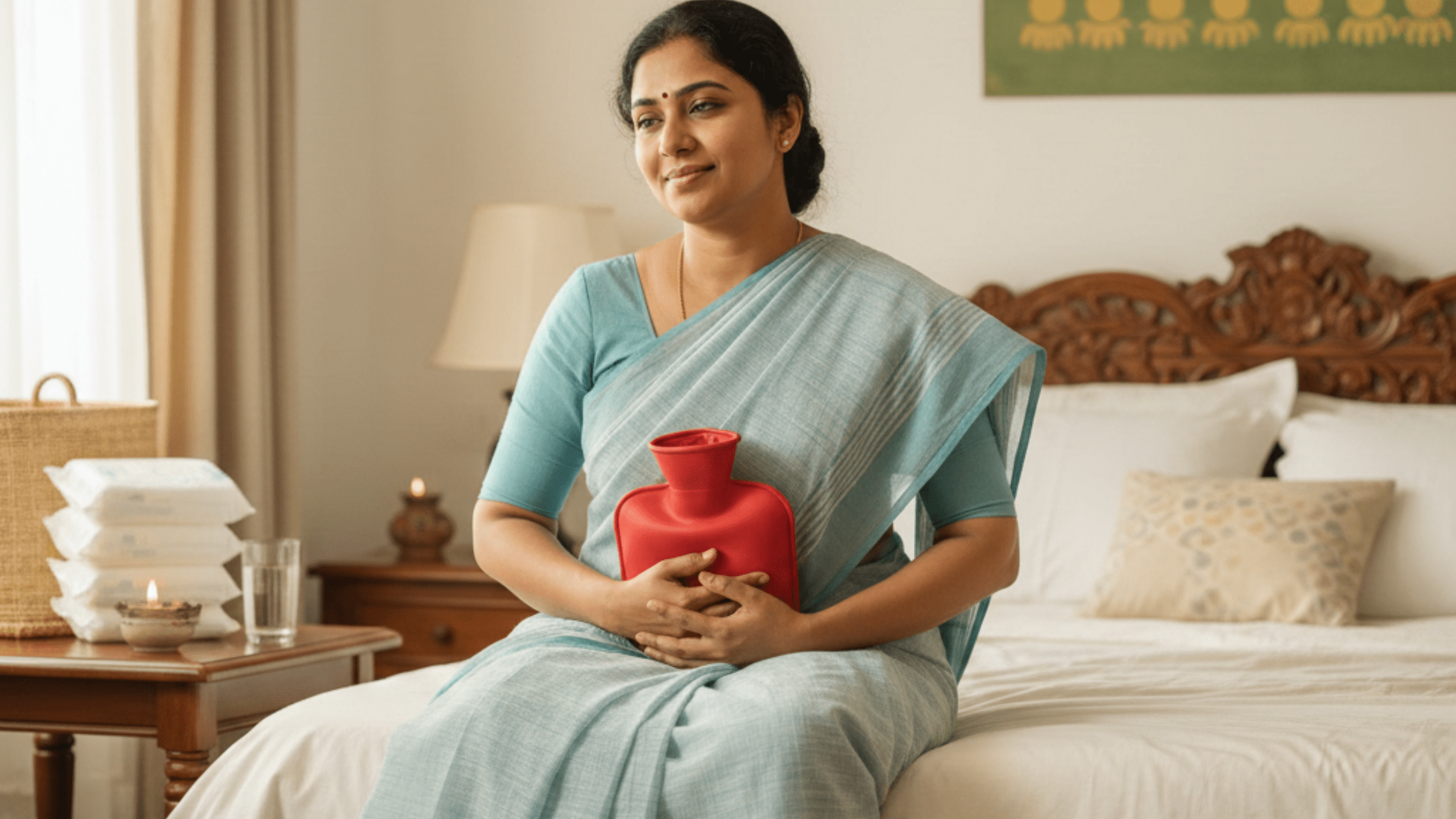

When it comes to postpartum recovery comparison, understanding the difference between a vaginal birth and a C-section is essential for new moms. Bringing a human into the world is a marathon, regardless of how they make their grand entrance. But once the “baby glow” settles, the reality of recovery sets in. Whether you had a vaginal delivery or a Cesarean section (C-section), your body has undergone a major physiological event.
While the end goal—healing and bonding—is the same, the paths to get there look quite different. Here is a breakdown of what to expect during the “fourth trimester.”
1. A Postpartum Recovery Comparison: Timelines
The first few days look very different depending on your delivery method.
Vaginal Birth
- Hospital Stay: Typically 24 to 48 hours.
- Mobility: You are usually encouraged to walk within a few hours of delivery.
- Initial Pain: Most discomfort is localized to the perineum (the area between the vagina and anus), especially if there were tears or an episiotomy.
C-Section
- Hospital Stay: Typically 3 to 4 days.
- Mobility: Recovery is slower because a C-section is major abdominal surgery. You’ll likely have a catheter for the first 24 hours and will need assistance getting out of bed.
- Initial Pain: Pain is focused on the incision site and internal abdominal muscles.
2. Managing Physical Pain and Healing
Both experiences involve bleeding (lochia) as the uterus shrinks back to size, but the localized healing differs.
| Feature | Vaginal Birth Recovery | C-Section Recovery |
| Primary Wound | Perineal tears or soreness. | Abdominal incision (layers of skin, muscle, and uterus). |
| Pain Management | Ice packs, witch hazel pads, and sitz baths. | Prescription pain relief, splinting the abdomen when coughing. |
| Bleeding | Often heavier initially; can last 4-6 weeks. | Similar to vaginal, though sometimes slightly lighter. |
| Risk Factors | Pelvic floor dysfunction or urinary incontinence. | Infection at the incision site or blood clots. |
3. The “Afterpains” and Hormonal Shifts
Regardless of how you delivered, your uterus must contract to its pre-pregnancy size. These “afterpains” can feel like intense menstrual cramps and are often stronger during breastfeeding.
You will also experience a significant drop in estrogen and progesterone. This can lead to:
- The “Baby Blues” (mood swings in the first two weeks).
- Night sweats as your body sheds excess fluid.
- Hair thinning (usually around the 3-4 month mark).
4. Movement and Physical Restrictions
This is where the two paths diverge most sharply.
After a Vaginal Birth:
You can usually resume light walking almost immediately. While you should still avoid heavy lifting for a few weeks to let your pelvic floor heal, your “range of motion” returns relatively quickly.
After a C-Section:
Because your abdominal wall was incised, you have strict limitations:
- The “Nothing Heavier Than the Baby” Rule: For 4–6 weeks, you should avoid lifting anything heavier than your newborn.
- Driving Restrictions: You generally cannot drive until you are off prescription pain meds and can comfortably perform an “emergency stop” (usually 2 weeks).
- Core Care: Simple tasks like sitting up in bed or laughing can be painful. Using a “log roll” technique to get out of bed is essential.
5. Long-Term Pelvic Health
A common myth is that C-sections “save” the pelvic floor. While a C-section avoids the stretching of the birth canal, the weight of the pregnancy itself impacts the pelvic floor for nine months.
- Vaginal births carry a higher risk of pelvic organ prolapse or stress incontinence.
- C-sections carry a risk of scar tissue (adhesions) that can cause pelvic pain or complications in future pregnancies.
Pro-tip: Regardless of delivery type, seeing a Pelvic Floor Physical Therapist at 6 weeks postpartum is a game-changer for long-term health.
Summary: Which is “Harder”?
There is no “easy way.” A vaginal birth is often more intense during the event but offers a faster recovery. A C-section is a controlled surgical procedure, but the recovery “peak” happens in the weeks following the birth.
The Golden Rule: Listen to your body. If you experience heavy bleeding (soaking a pad an hour), a fever over 100.4°F, or signs of postpartum depression, contact your healthcare provider immediately.