Postpartum preeclampsia is a serious but treatable condition that can occur after childbirth, usually within 48 hours, but sometimes up to 6 weeks postpartum. Many new mothers believe pregnancy-related complications end after delivery — but issues like postpartum preeclampsia need quick attention to protect the mother’s health.
This guide explains the symptoms, causes, treatment options, and recovery tips, written in simple, clear language and optimized for SEO.
What Is Postpartum Preeclampsia?
Postpartum preeclampsia is a condition where a mother experiences high blood pressure and organ-related complications after giving birth. It can happen even if the mother had no blood pressure problems during pregnancy.
If untreated, it may lead to serious issues like seizures (postpartum eclampsia). Early identification and treatment are extremely important.
Common Symptoms of Postpartum Preeclampsia
Recognizing symptoms early helps prevent complications. Key symptoms include:
- High blood pressure (usually 140/90 mmHg or above)
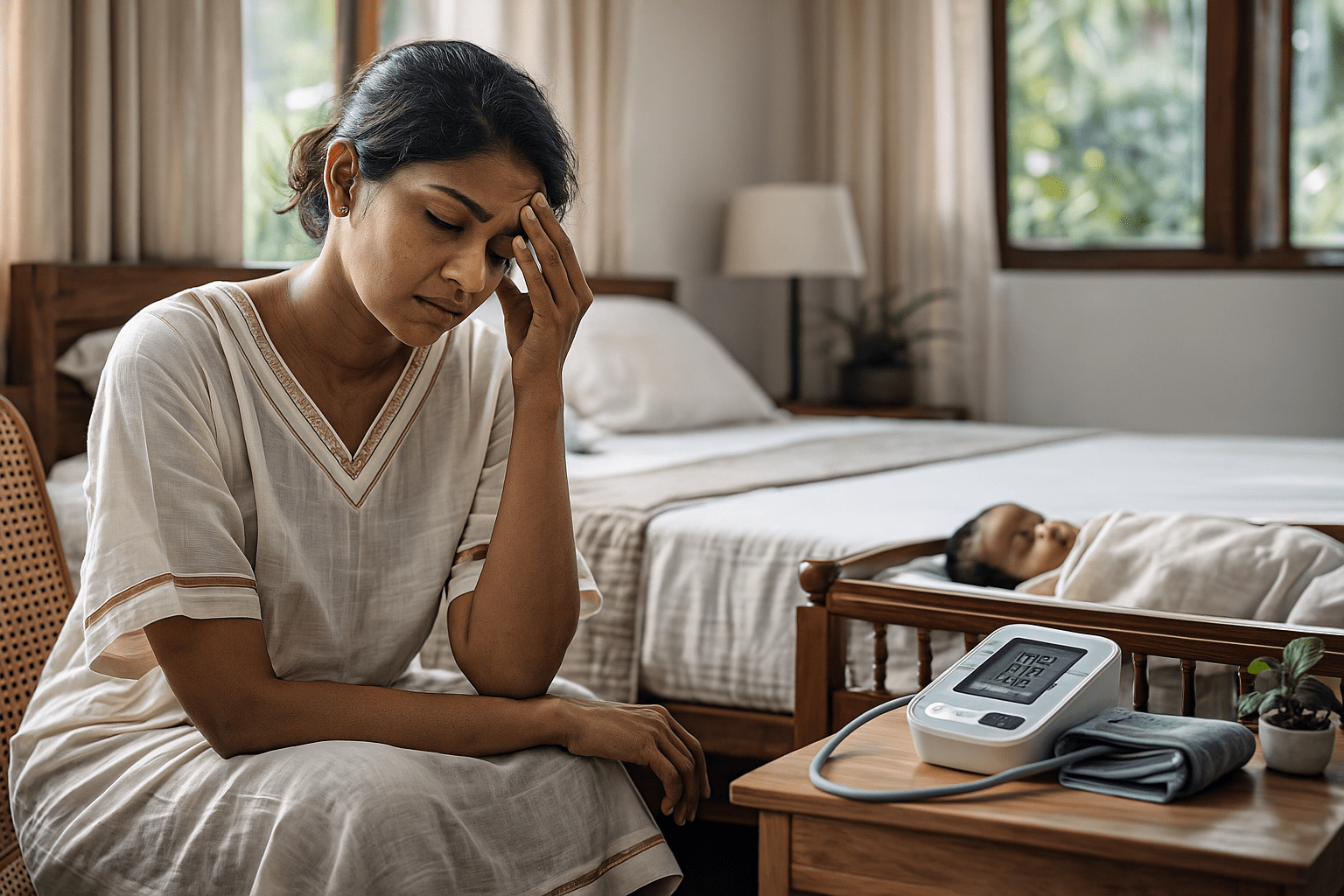
- Severe headaches
- Vision problems (blurred vision, light sensitivity, temporary loss of vision)
- Swelling of the face, hands, or legs
- Pain in the upper right abdomen
- Nausea or vomiting
- Shortness of breath
- Sudden weight gain or fluid retention
If any of these symptoms appear after delivery, immediate medical consultation is necessary.
What Causes Postpartum Preeclampsia?
There is no single confirmed cause, but several factors may contribute:
- Blood vessel problems
- Hormonal changes after delivery
- Placental remnants still affecting the body
- Immune system changes
- Genetic factors
Women with the following risks have a higher chance of developing it:
- History of preeclampsia
- High blood pressure during pregnancy
- Multiple pregnancy (twins/triplets)
- Obesity
- Autoimmune disorders
- Diabetes
- First-time mothers
Postpartum Preeclampsia Treatment
Treatment focuses on reducing blood pressure, preventing seizures, and protecting organ function.
Here are the main medical treatments recommended by doctors:
1. Blood Pressure Medications
Doctors prescribe safe anti-hypertensive medicines to lower high blood pressure. Commonly used options include:
- Labetalol
- Nifedipine
- Hydralazine
These medications help stabilize blood pressure quickly and safely, even for breastfeeding mothers.
2. Magnesium Sulfate (To Prevent Seizures)
Magnesium sulfate is the gold standard treatment to prevent seizures caused by postpartum preeclampsia.
- Usually given through IV for 24 hours
- Reduces brain irritation
- Protects from eclampsia (seizures)
This treatment is essential in moderate to severe cases.
3. Diuretics (To Reduce Swelling)
If the mother has severe swelling or fluid buildup, doctors may give diuretics to remove excess fluid from the body.
This improves breathing, reduces swelling, and lowers blood pressure.
4. Hospital Monitoring & Tests
Depending on severity, doctors may keep the mother under observation to monitor:
- Blood pressure
- Urine protein levels
- Kidney function
- Liver function
- Oxygen levels
Proper monitoring helps avoid complications.
5. Lifestyle & Recovery Support
Even after discharge, some lifestyle adjustments help recovery:
- Reduce salt intake
- Stay hydrated
- Take medicines on time
- Avoid heavy work or stress
- Get enough sleep
- Regular post-delivery check-ups
Most women recover fully with proper treatment and rest.
Complications If Not Treated Early
Untreated postpartum preeclampsia can lead to:
- Seizures (eclampsia)
- Stroke
- Fluid in lungs
- Kidney or liver damage
- Blood clotting issues
- Long-term hypertension
Fast treatment prevents these risks.
When to See a Doctor Immediately
Seek urgent medical help if you notice:
- Severe headache that doesn’t go away
- Heavy swelling
- Vision changes
- Sudden breathing difficulty
- Chest pain
- Very high BP reading
Never ignore symptoms after delivery — early action saves lives.
Final Thoughts
Postpartum preeclampsia is serious, but 100% treatable with quick medical care. New mothers should closely monitor their health in the first six weeks after delivery and contact a doctor if anything feels unusual.
With the right treatment, medication, and rest, most women recover completely and return to normal life.