
Bringing a new baby home is an exciting time, but many new mothers are surprised by the physical changes happening in their own bodies. While much attention is placed on the baby, postpartum digestive issues are a very real and common struggle for moms.
From constipation to bloating, your digestive system goes through a lot of changes after delivery. The good news is that these issues are usually temporary and can be managed with simple natural remedies. This guide will help you understand why this happens and how to find relief.
Why Do Digestive Issues Happen After Birth?
You might be wondering why your stomach feels so different now that the baby is out. There are several reasons your digestion slows down:
- Hormonal Changes: High levels of progesterone during pregnancy slowed your digestion, and it takes time for your hormones to balance out.
- Labor Medications: Pain relief methods like epidurals or general anesthesia can temporarily slow down bowel movements.
- Dehydration: If you are breastfeeding, your body uses a lot of water, which can leave your digestive system dehydrated and sluggish.
- Fear and Stress: Many moms are afraid to use the bathroom due to stitches, C-section scars, or hemorrhoids. This “holding it in” can make constipation worse.
Common Postpartum Digestive Problems
1. Postpartum Constipation
This is the most common complaint. You may go several days without a bowel movement. It can be caused by the iron supplements you took during pregnancy or simply the fear of pushing.
2. Gas and Bloating
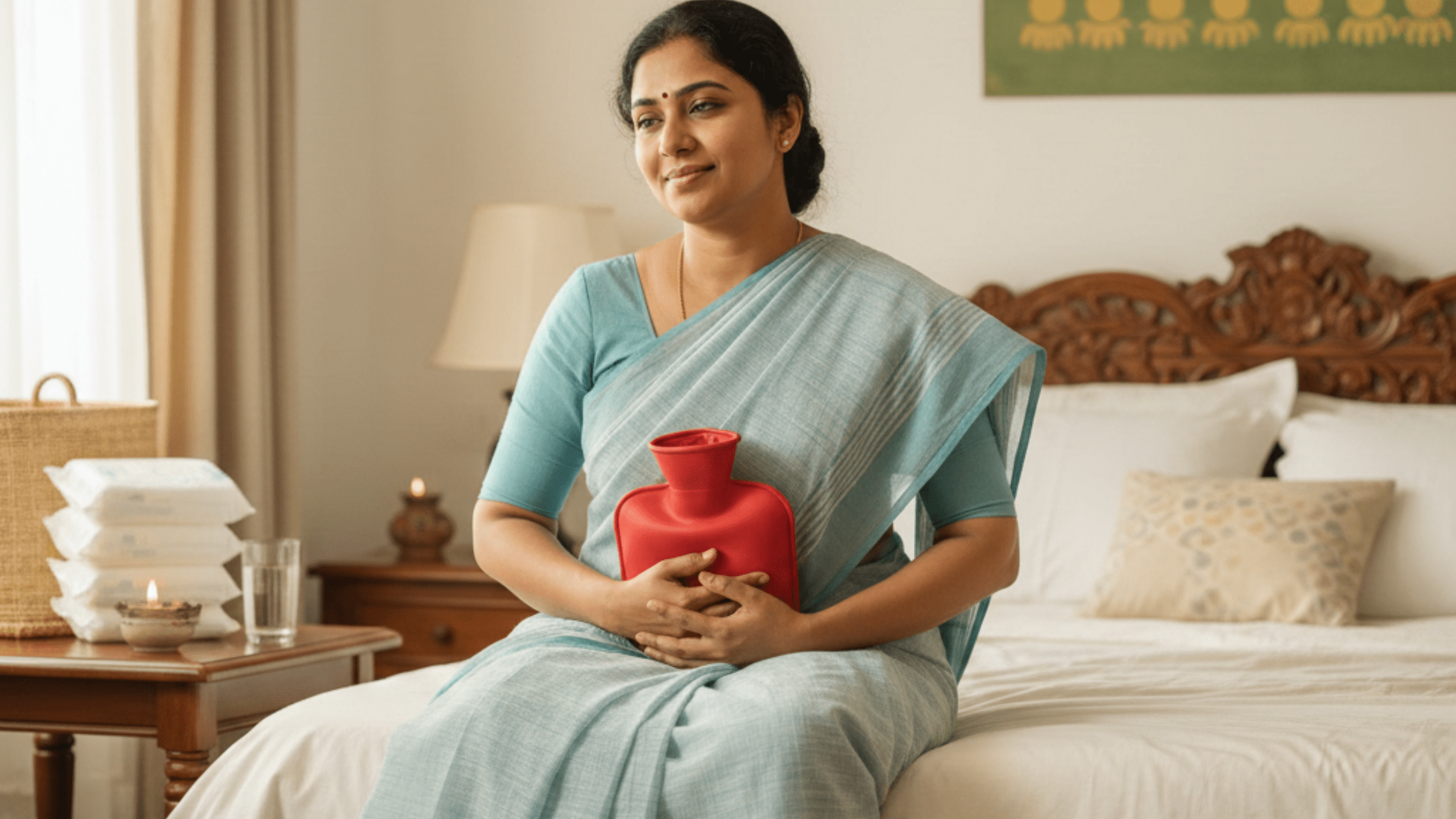
Your abdominal muscles stretched significantly to accommodate your baby. As your organs shift back into place, gas can get trapped, causing uncomfortable bloating and sharp pains.
3. Hemorrhoids
Hemorrhoids are swollen veins in the rectum that can be itchy or painful. They often develop during the pushing stage of labor.
Natural Solutions for Postpartum Digestion
You don’t always need heavy medication to get things moving. Here are effective natural ways to support your recovery.
Stay Hydrated
Water is your best friend. If you are breastfeeding, aim for at least 8 to 10 glasses of water a day. Warm liquids, like herbal teas or warm lemon water, can also help stimulate digestion in the morning.
Focus on High-Fiber Foods
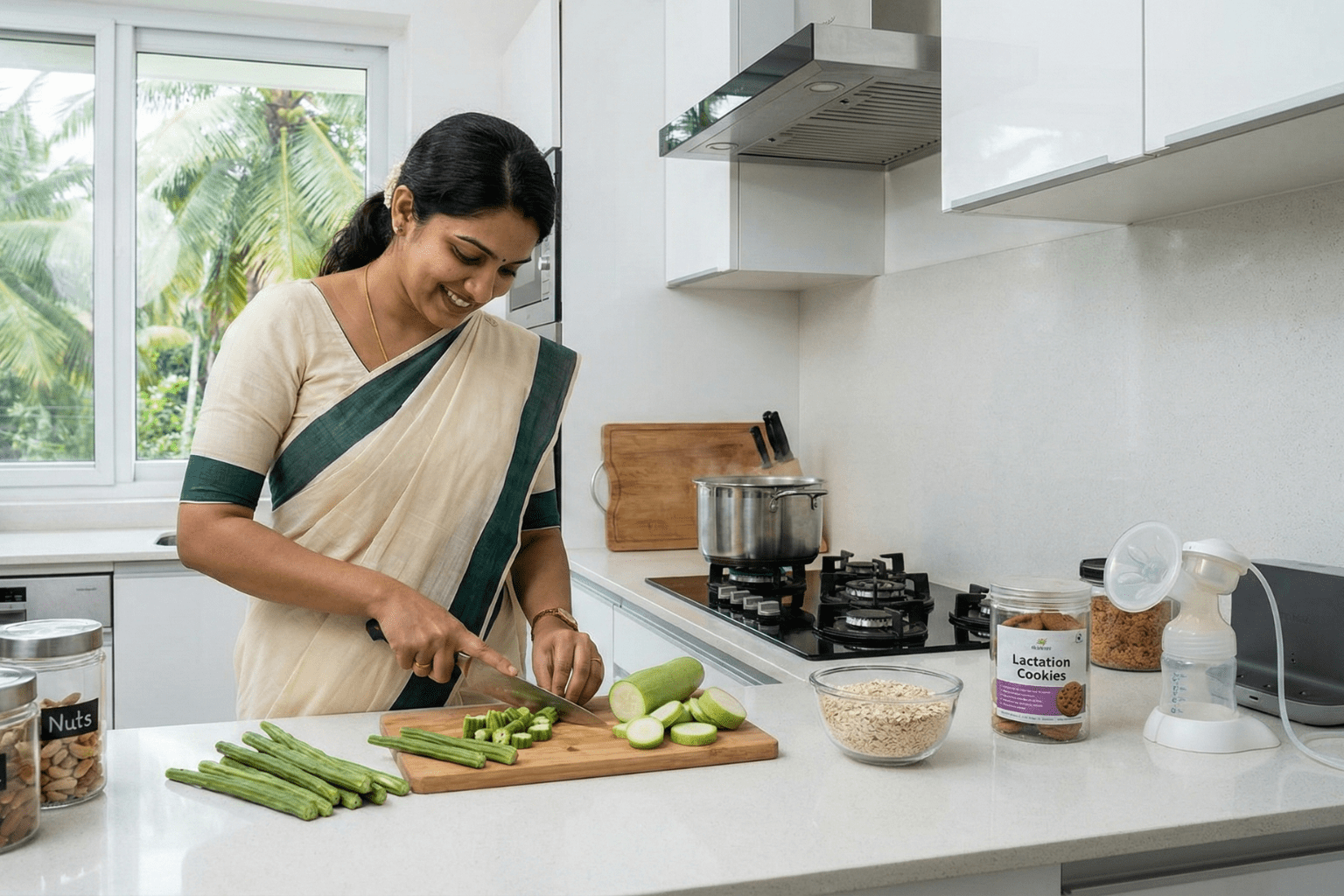
Fiber adds bulk to your stool and makes it easier to pass. Try to include these foods in your daily meals:
- Oats and whole grains
- Leafy green vegetables (spinach, kale)
- Fruits (especially prunes, pears, and apples)
- Beans and lentils
Gentle Movement
While you need to rest, staying completely still can slow digestion down. Once your doctor gives the okay, short, gentle walks around your house can help wake up your bowels and relieve gas.
Use a Stool Softener (If Needed)
Doctors often prescribe a mild stool softener immediately after birth. Unlike laxatives, these simply pull water into the bowel to make it easier to go without straining. Always check with your healthcare provider before taking any new supplements.
Practice “Potty Posture”
Using a small footstool to elevate your feet while sitting on the toilet can put your body in a better position (a squatting angle). This relaxes the pelvic floor muscles and makes elimination easier with less straining.
When to See a Doctor
While most digestive issues resolve within a few weeks, you should contact your doctor if you experience:
- Severe abdominal pain that doesn’t go away
- Rectal bleeding that is heavy or persistent
- Fevers or vomiting
- No bowel movement after 4-5 days despite home remedies
Final Thoughts
Postpartum digestive issues are uncomfortable, but they are a normal part of the recovery process. Be patient with your body—it just did something amazing! Prioritize water, fiber, and rest, and your system will return to normal soon.