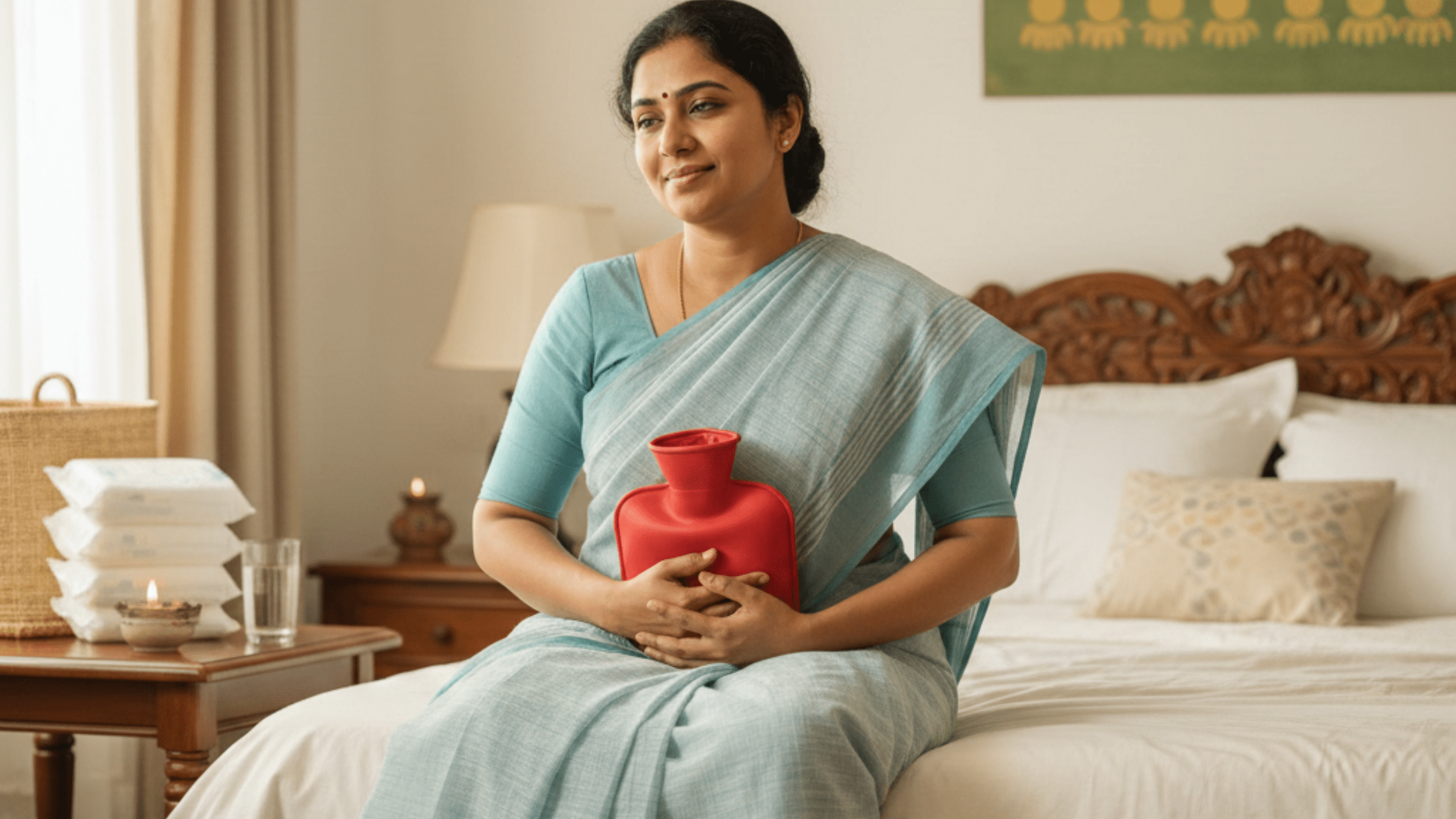

The “Fourth Trimester” is a period of profound transition. While most of the focus is on the newborn, the mother’s body is undergoing a massive physiological shift. Your internal organs are migrating back to their original positions, your pelvic floor is recovering, and your abdominal muscles—which stretched significantly over nine months—are working to find their strength again.
Healing your core isn’t about “snapping back” to a pre-pregnancy look; it’s about restoring functional strength and stability to your body. Here is how to navigate that recovery safely and effectively.
1. Prioritize “Internal” Exercise First
Before you think about crunches or planks (which can actually be harmful in early postpartum), focus on your deep core. Diaphragmatic breathing and gentle pelvic floor activations (Kegels) help re-establish the connection between your brain and the muscles that were strained during delivery.
2. Practice “Log Rolling”
To protect your abdominal wall while it heals, avoid the “sit-up” motion when getting out of bed. Instead, roll onto your side and use your arms to push yourself up. This prevents intra-abdominal pressure, which can worsen conditions like Diastasis Recti (the separation of the ab muscles).
3. Utilize External Core Support
During the first few weeks postpartum, your abdomen can feel “empty” or unsupported, which often leads to lower back pain. Many physical therapists recommend using a medical-grade abdominal binder to provide the stability your muscles can’t yet manage on their own.
Using a dedicated support like the In-Shape Mom Post-Pregnancy Belt can be a game-changer during this phase. Unlike generic waist trainers, a medical-grade belt provides:
- Sustained Compression: Gently encourages the uterus and abdominal muscles to contract.
- Back Support: Helps take the strain off your spine during long hours of breastfeeding.
- Posture Correction: Reminds you to engage your core rather than slouching.
4. Nourish Your Connective Tissue
Your body needs specific building blocks to repair the linea alba (the tissue between your abs). Focus on a diet rich in:
- Vitamin C: Essential for collagen production.
- Protein: To repair muscle fibers.
- Hydration: Crucial for tissue elasticity and milk production.
5. Listen to the “Ache”
Postpartum recovery isn’t linear. If you find that your back or pelvic area begins to ache by the evening, it’s a sign that your muscles are fatigued. This is the time to rest, elevate your feet, and ensure your abdominal support is adjusted correctly to take the pressure off your frame.
Final Thoughts
Your body performed a miracle, and it deserves a patient recovery. By combining gentle movement, proper nutrition, and the right external support, you aren’t just “getting your body back”—you are building a stronger foundation for the years of motherhood ahead.
Note: Always consult with your OB-GYN or a pelvic floor physiotherapist before starting a new exercise or compression routine, especially if you had a C-section.