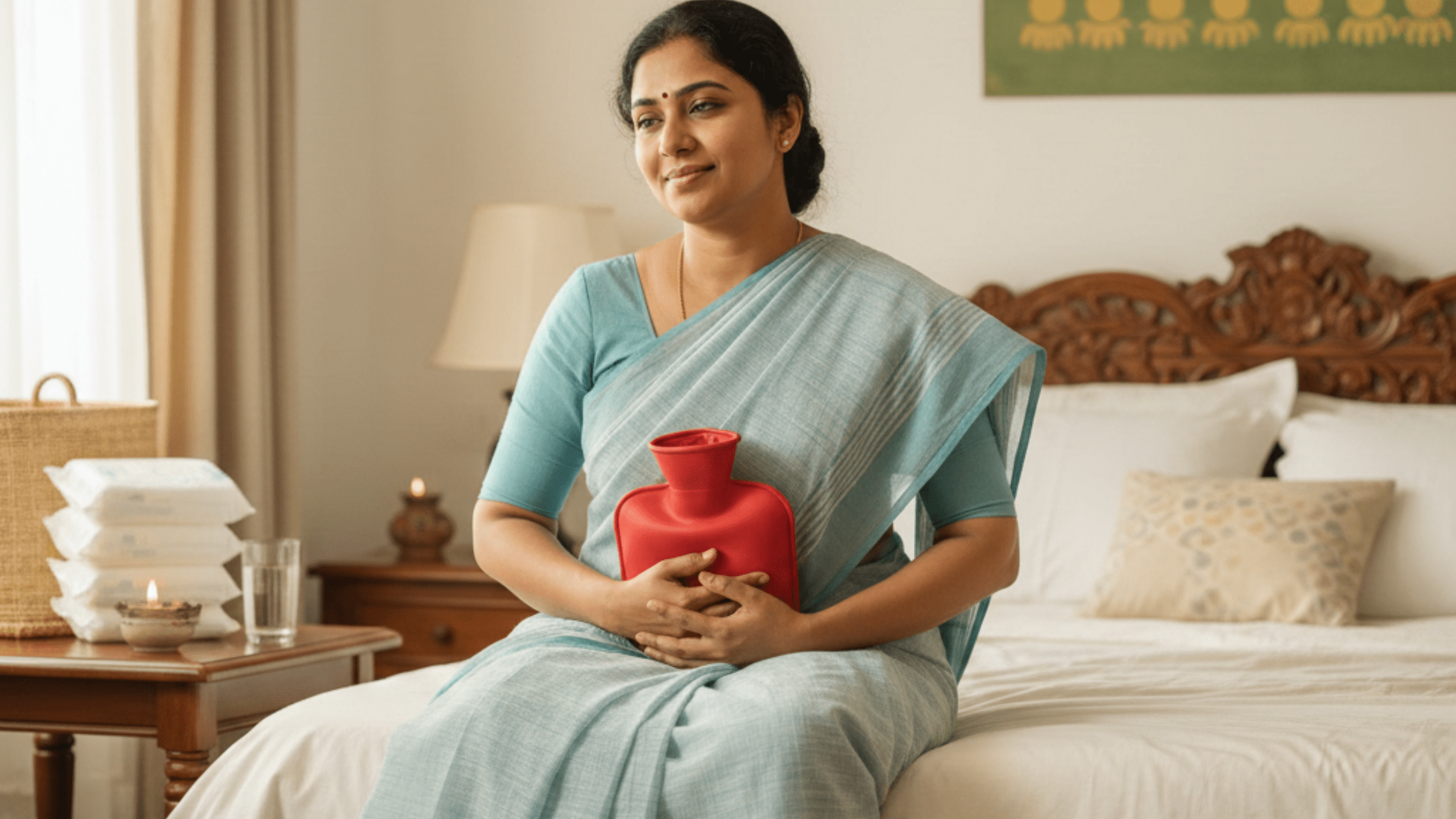
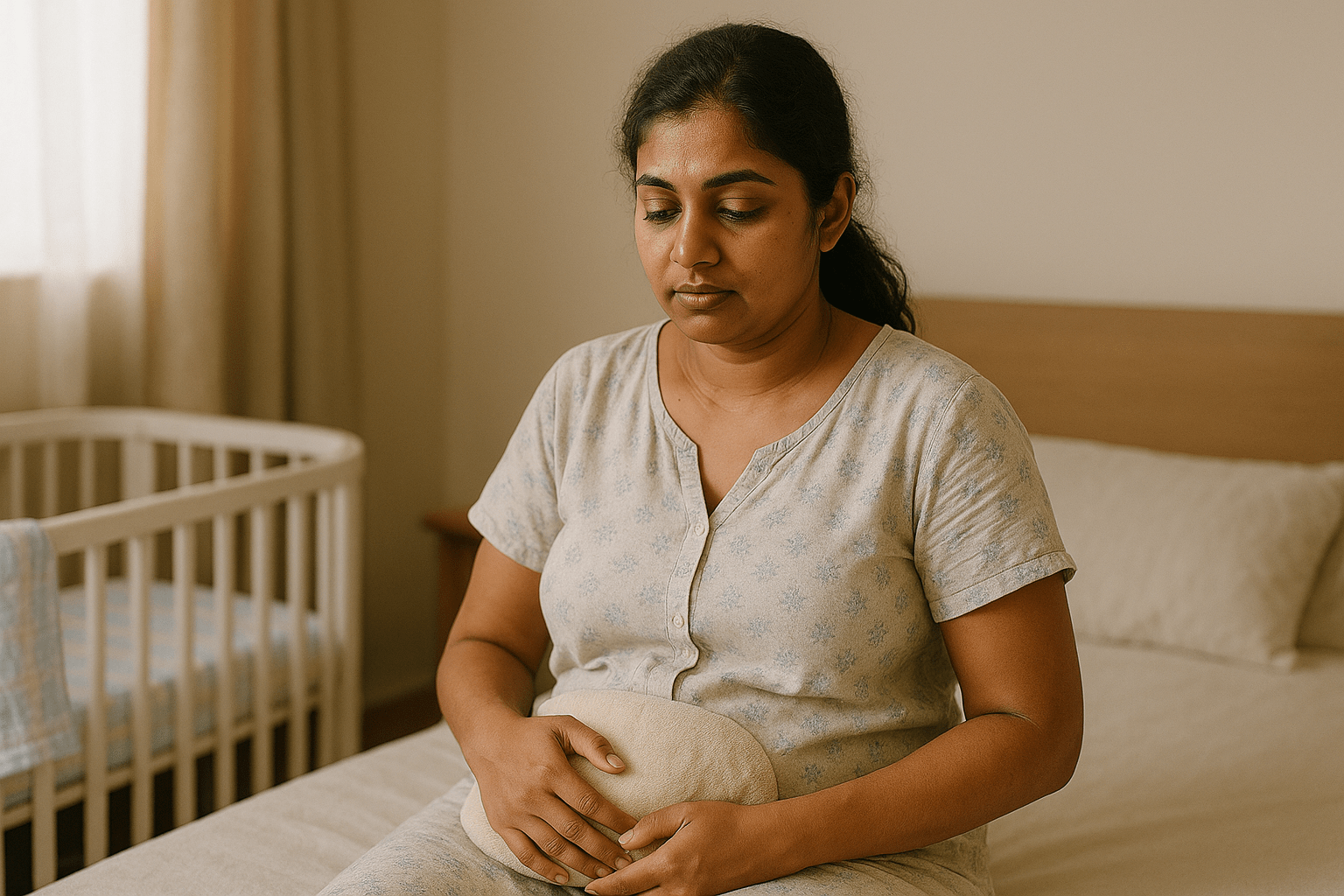
Welcoming a baby into the world brings immense joy—but it can also bring unexpected physical discomforts, especially in sensitive areas. One such issue many women don’t openly talk about is clitoris pain after childbirth. If you’re experiencing soreness, sharpness, or pressure in the clitoral region postpartum, you’re not alone. Let’s break down the causes, treatment options, and when to consult a doctor.
What Is Clitoris Pain Postpartum?
Clitoris pain after giving birth can feel like:
- Sharp or shooting pain
- Soreness or tenderness
- Tingling or sensitivity
- Pressure or throbbing
This discomfort may appear during urination, walking, sitting, or sexual activity.
Common Causes of Clitoris Pain After Delivery
- Swelling and Trauma During Birth
Vaginal delivery often causes stretching or minor injury to surrounding tissues, including the clitoral area. This trauma can lead to bruising or inflammation. - Episiotomy or Tearing
If you had a perineal tear or episiotomy during labor, the area around the clitoris may feel strained due to nearby stitches or tension. - Nerve Sensitivity
The clitoris is highly innervated. Postpartum nerve sensitivity or minor nerve damage can trigger sharp or lingering pain. - Pelvic Floor Dysfunction
Weak or tight pelvic floor muscles post-birth can refer pain to the vulva or clitoral region. - Infection or Inflammation
Urinary tract infections (UTIs), yeast infections, or bacterial vaginosis can cause itching, burning, or pain around the clitoris. - Dryness Due to Hormones
Breastfeeding reduces estrogen, leading to vaginal and vulvar dryness. This dryness can make the clitoral area feel irritated.
How to Relieve Clitoris Pain Postpartum
Here are some gentle yet effective ways to ease the discomfort:
Cold Compress: Apply an ice pack wrapped in cloth for 10–15 minutes to reduce swelling.
Sitz Baths: Warm water baths can soothe the area and promote healing.
Pelvic Floor Therapy: A certified pelvic floor physiotherapist can help improve muscle function and reduce nerve sensitivity.
Use Lubrication: If you’re experiencing dryness during intercourse, a water-based lubricant can reduce friction and pain.
Topical Ointments: Over-the-counter soothing creams (consult your doctor first) may provide relief.
Loose Cotton Clothing: Avoid tight underwear or synthetic fabrics that may irritate the sensitive area.
When Should You See a Doctor?
Seek medical attention if:
The pain is severe or getting worse
You notice unusual discharge, swelling, or redness
You have pain during urination
There’s a foul odor or signs of infection
Discomfort is interfering with your daily activities or intimacy
You’re Not Alone
Experiencing clitoral pain after childbirth can feel confusing or even embarrassing—but it’s more common than most moms think. Whether it’s due to birth trauma, hormonal changes, or pelvic issues, support and healing are available.
Don’t suffer in silence. If the pain persists, talk to your doctor or a pelvic health specialist. Early care means quicker relief.
Final Thoughts
Postpartum clitoris pain is real—and it’s valid. With patience, proper care, and support, most women find relief and return to comfort. Every body heals differently, so honor your journey and listen to your body.