
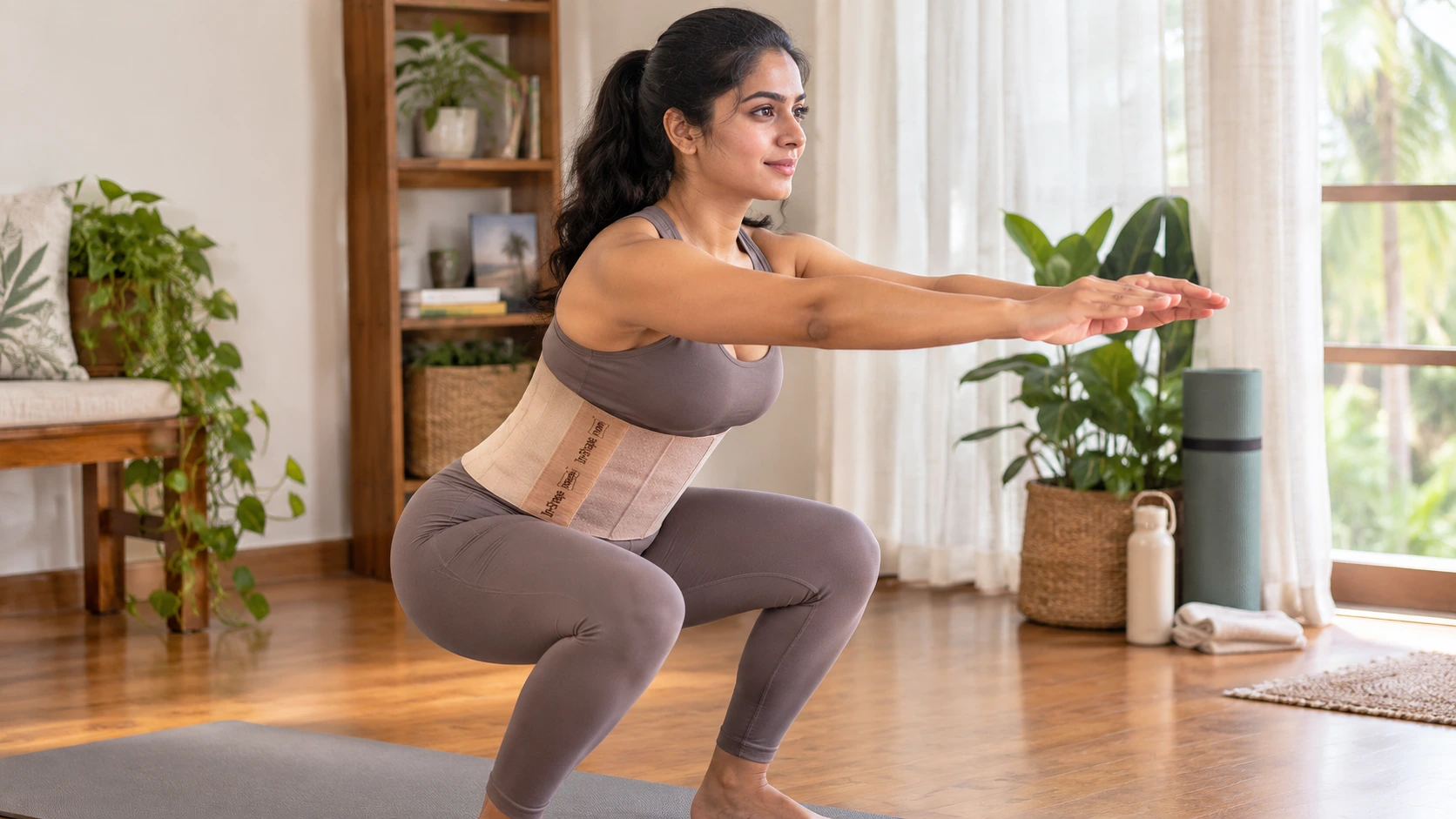
After months of pregnancy and delivery, many new mothers feel eager to regain their physical fitness and active lifestyle. However, jumping back into high-impact workouts or traditional core exercises too quickly can cause setbacks like worsening abdominal separation or pelvic floor dysfunction. Establishing a safe, progressive strategy for postpartum exercise safety allows you to rebuild functional strength from the inside out without risking injury.
Understanding how to gauge your body’s readiness and support your midline is key to a smooth, long-term fitness return.
Understanding Your Postpartum Core and Joints
During pregnancy, your body undergoes significant mechanical and hormonal changes. The hormone relaxin keeps your ligaments pliable for several months post-delivery, leaving your joints—especially in your hips and spine—more susceptible to strain.
Additionally, your deep core system (comprising the diaphragm, transverse abdominis, pelvic floor, and multifidus) needs time to re-establish coordination. Exercising without proper core engagement can create excessive intra-abdominal pressure, pushing outward against a healing linea alba or downward against the pelvic floor.
Common Red Flags During Postpartum Workouts
Pay close attention to your body’s feedback during any physical activity. Pause and adjust if you notice:
- Abdominal Doming or Coning: A visible bulge or ridge running down the center of your stomach during a movement.
- Pelvic Heaviness or Leaking: Any sensation of pressure in your lower pelvis or urinary leakage during exercise.
- Joint or Incision Pain: Sharp or aching pain around your pubic bone, lower back, or surgical scar.
4 Rules for Postpartum Exercise Safety
Rebuilding your fitness foundation requires a phased approach that prioritizes deep stability before high intensity.
1. Master Deep Core Breathing Before Adding Resistance
Before picking up weights or attempting cardio, reconnect with your deep core. Practice diaphragmatic breathing while lying down or sitting tall. Inhale to let your ribcage expand, and as you exhale, gently draw your pelvic floor up and draw your belly button inward. This simple contraction forms the foundation of all safe movements.
2. Avoid High-Impact and Crunches Early On
Skip traditional sit-ups, planks, crunches, and heavy jumping during the early weeks of recovery. These movements generate high intra-abdominal pressure that can widen a diastasis recti gap or strain healing pelvic tissues. Instead, opt for low-impact movements like controlled glute bridges, wall sits, and side-lying leg lifts.
3. Use External Compression During Activity
Wearing a supportive garment like the In-Shape mom postpartum belt during your daily walks or gentle rehabilitation exercises provides critical structural reinforcement. The horizontal compression anchors your abdominal wall, offers tactile feedback for posture, and protects overstretched tissues as you build endurance.
4. Progress Gradually with Functional Movements
Focus on movements that mimic daily maternal tasks—such as squats, lunges, and rows—using bodyweight or light resistance bands. Ensure you exhale during the exertion phase of every exercise (for example, exhaling as you stand up from a squat) to prevent internal pressure buildup.
Rebuild Strength Safely for the Long Run
Fitness in the fourth trimester is about rehabilitation, alignment, and restoring energy. By honoring your body’s timeline, protecting your midline, and utilizing supportive compression, you can return to the activities you love safely and confidently.
Support your active recovery journey with science-backed core stabilization. Explore the In-Shape mom recovery collection at In-Shape Global.