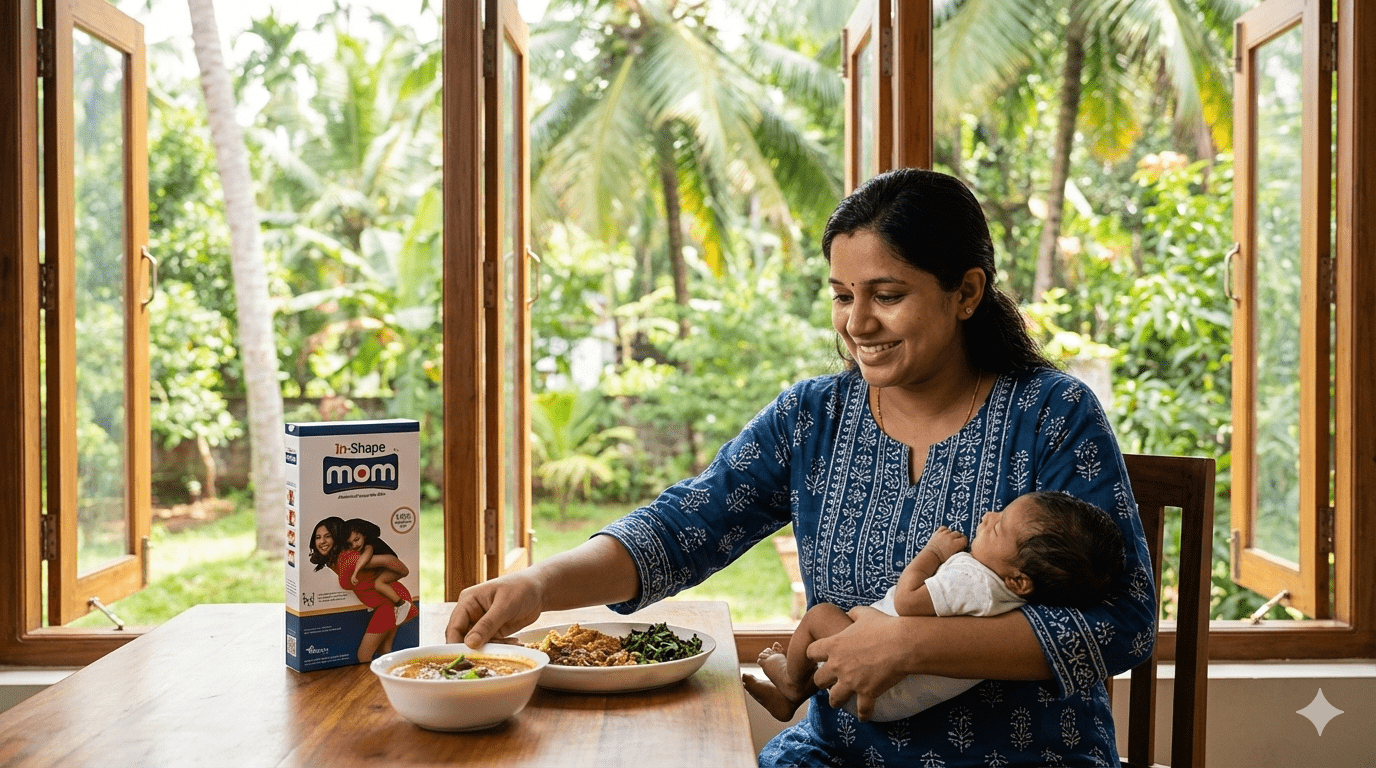
The transition into motherhood is a physical marathon that doesn’t end at delivery. While much focus is placed on the baby’s health, a mother’s nutritional status is the engine that powers recovery, breastfeeding, and the energy required for newborn care. Many women describe a sensation of their internal organs “shifting” or their core feeling “empty” after birth, but internal depletion can go even deeper.
Identifying signs of nutrient deficiency early is vital for long-term health and preventing the “postpartum depletion” that can last for years.
1. Constant Fatigue and Brain Fog
It is normal to be tired, but extreme exhaustion that doesn’t improve with rest can signal an Iron or Vitamin B12 deficiency.
- The Sign: Pale skin, shortness of breath, and “mom brain” (memory lapses).
- The Fix: Increase intake of lean red meats, spinach, lentils, and fortified cereals. If you are breastfeeding, your body’s demand for iron remains high.
2. Hair Loss and Brittle Nails
While “postpartum shedding” is hormonal, excessive or prolonged hair loss can be linked to Zinc and Biotin deficiencies.
- The Sign: Hair thinning beyond the typical 3–6 month postpartum window and nails that peel or break easily.
- The Fix: Incorporate pumpkin seeds, eggs, legumes, and shellfish into your diet.
3. Muscle Aches and “Core Weakness”
During pregnancy, your abdominal muscles stretch and sometimes separate (Diastasis Recti). While physical support is crucial, Magnesium and Vitamin D are essential for muscle repair and bone density.
- The Sign: Persistent lower back pain, muscle cramps, or a feeling of physical “instability.”
- The Fix: Almonds, dark chocolate, and leafy greens for magnesium. For Vitamin D, safe sun exposure and fatty fish like salmon are key.
The Role of Physical Support in Recovery
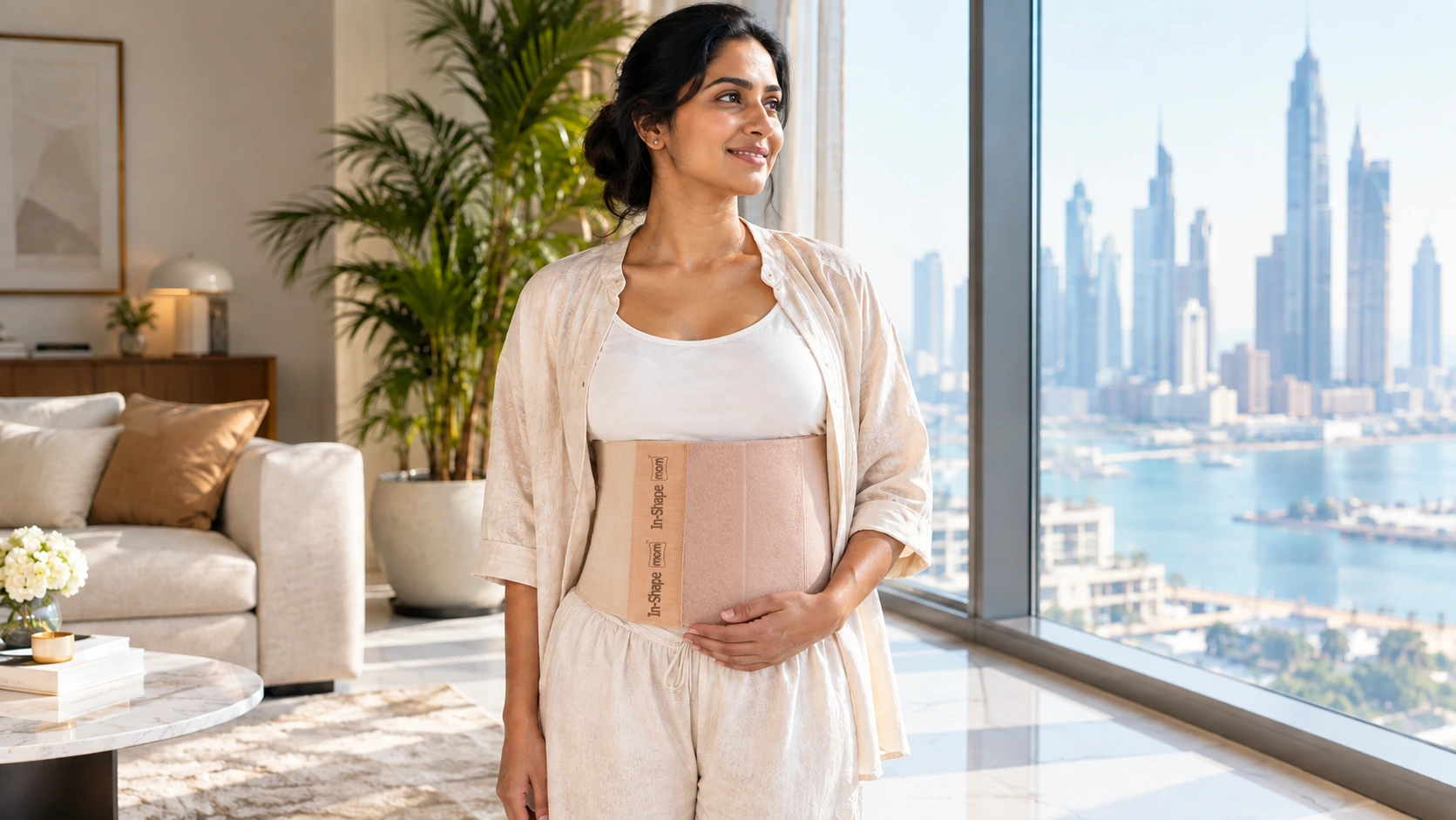
While fixing your nutrition heals you from the inside, your external structure needs help too. A high-quality postpartum belt, like the In-Shape Mom Post-Pregnancy Belt, serves as a partner in your recovery. Unlike standard retail belts that are purely cosmetic, this is a doctor-designed orthopedic abdominal suspender.
Why Every New Mother Needs Structural Support:
- Sustained Compression: Encourages the uterus to contract back to its original size (involution).
- Core Stability: Provides an external “wall” for weakened muscles, reducing the back pain often caused by nutritional and physical depletion.
- Safe for Sensitive Skin: Uses anti-microbial and anti-allergic medical fabric, preventing rashes—especially important if nutrient deficiencies have made your skin more sensitive.
Comparison: Medical-Grade vs. Standard Support
| Feature | Standard Postpartum Belts | In-Shape Mom Belt |
| Design Origin | Mass-market fitness | Doctor-designed orthopedic support |
| Material | Synthetic/Non-breathable | Anti-microbial medical fabric |
| Skin Safety | Can cause rashes/itching | Safe for sensitive, depleted skin |
| Visibility | Bulky under clothes | Ultra-thin for discreet wear |
How to Start Your Recovery Journey
Recovery is not a race, but giving your body the right foundation—both nutritionally and physically—makes the journey smoother. If you are experiencing these signs, consult with a healthcare provider for blood tests.
Before you invest in just “shapewear,” remember that you are looking for a partner in your recovery. Combine a nutrient-dense diet with a medical-grade suspender like In-Shape Mom to find your strength again.
Frequently Asked Questions: Postpartum Nutrient Deficiency and Recovery
What are the common signs of nutrient deficiency in new mothers?
Postpartum depletion can manifest in several physical ways as your body recovers from delivery:
- Constant Fatigue: Extreme exhaustion or “mom brain” often indicates a deficiency in Iron or Vitamin B12.
- Hair and Nail Changes: Excessive hair thinning beyond the six-month mark or brittle nails can be linked to low levels of Zinc and Biotin.
- Physical Aches: Persistent lower back pain or muscle cramps may signal a need for more Magnesium and Vitamin D to support muscle repair.
How can I fix fatigue and “mom brain” through my diet?
To address internal depletion and brain fog, you should focus on nutrient-dense foods:
- Iron-Rich Foods: Incorporate lean red meats, spinach, lentils, and fortified cereals to support high iron demands, especially if breastfeeding.
- Zinc Sources: Add pumpkin seeds, eggs, legumes, and shellfish to your meals to help with hair and nail strength.
- Magnesium and Vitamin D: Eat almonds, dark chocolate, and leafy greens, and include fatty fish like salmon to support bone and muscle stability.
Can a postpartum abdominal binder help with physical weakness?
Yes, while nutrition heals you from the inside, a postpartum abdominal binder provides the external structure your core needs:
- Core Stability: It acts as an external “wall” for weakened muscles, which reduces back pain caused by physical and nutritional depletion.
- Internal Healing: The sustained compression encourages the uterus to contract back to its original size.
- Incision Protection: For mothers who had a C-section, the binder stabilizes the incision site to reduce pain during movement.
What is the difference between a medical-grade binder and a standard belly band?
Choosing the right support is essential for actual physiological recovery rather than just a cosmetic change:
- Engineering: Medical-grade options like the In-Shape Mom Post-Pregnancy Belt are orthopedic tools designed by doctors, whereas standard belts are often mass-market fashion items.
- Material Safety: High-quality binders use anti-microbial and anti-allergic fabric to prevent rashes, which is vital if your skin has become sensitive due to nutrient deficiencies.
- Design: Medical binders feature ultra-thin construction for discreet wear under clothing while providing targeted, sustained compression.