🌸 Introduction: Your Body, Your Strength — Rebuilt with Care
Pregnancy and childbirth bring incredible changes to your body — especially your core muscles. After delivery, it’s natural to feel weaker around your belly, hips, and back. But here’s the truth: rushing back to intense workouts can do more harm than good.
“Instead, learning how to rebuild core strength safely after pregnancy is about gentle progress, understanding your body’s limits, and using safe techniques that support your postpartum recovery — not strain it.”
In this guide, we’ll walk you through how to rebuild core strength safely after pregnancy, avoid common mistakes, and regain your body’s natural balance — without risking injuries.
💡 Understanding Your Core After Pregnancy
Your core isn’t just your abs — it includes your pelvic floor, deep abdominal muscles, diaphragm, and lower back. During pregnancy, these muscles stretch and weaken to make space for your baby.
After childbirth, some women experience:
- Diastasis recti (ab separation)
- Weakened pelvic floor
- Lower back pain
- Poor posture and balance
That’s why rebuilding your core isn’t just about looking fit — it’s about restoring function and stability.
🛑 Mistakes to Avoid While Rebuilding Core Strength
When learning to rebuild core strength safely after pregnancy, many new moms make the mistake of jumping into high-intensity workouts too soon. Avoid these common pitfalls:
- ❌ Skipping Recovery Time: Start only after your doctor’s approval (usually 6–8 weeks postpartum).
- ❌ Doing Crunches Too Early: Traditional crunches or sit-ups can worsen diastasis recti.
- ❌ Holding Your Breath: This increases abdominal pressure and strains healing muscles.
- ❌ Ignoring Pelvic Floor Exercises: Your pelvic floor is the foundation of your core. Strengthen it first!
✅ Step-by-Step: How to Rebuild Core Strength Safely
Here’s a simple, progressive plan to safely rebuild your strength from the inside out.
Step 1: Start with Breathing Awareness (Week 1–2)
Exercise: Diaphragmatic Breathing
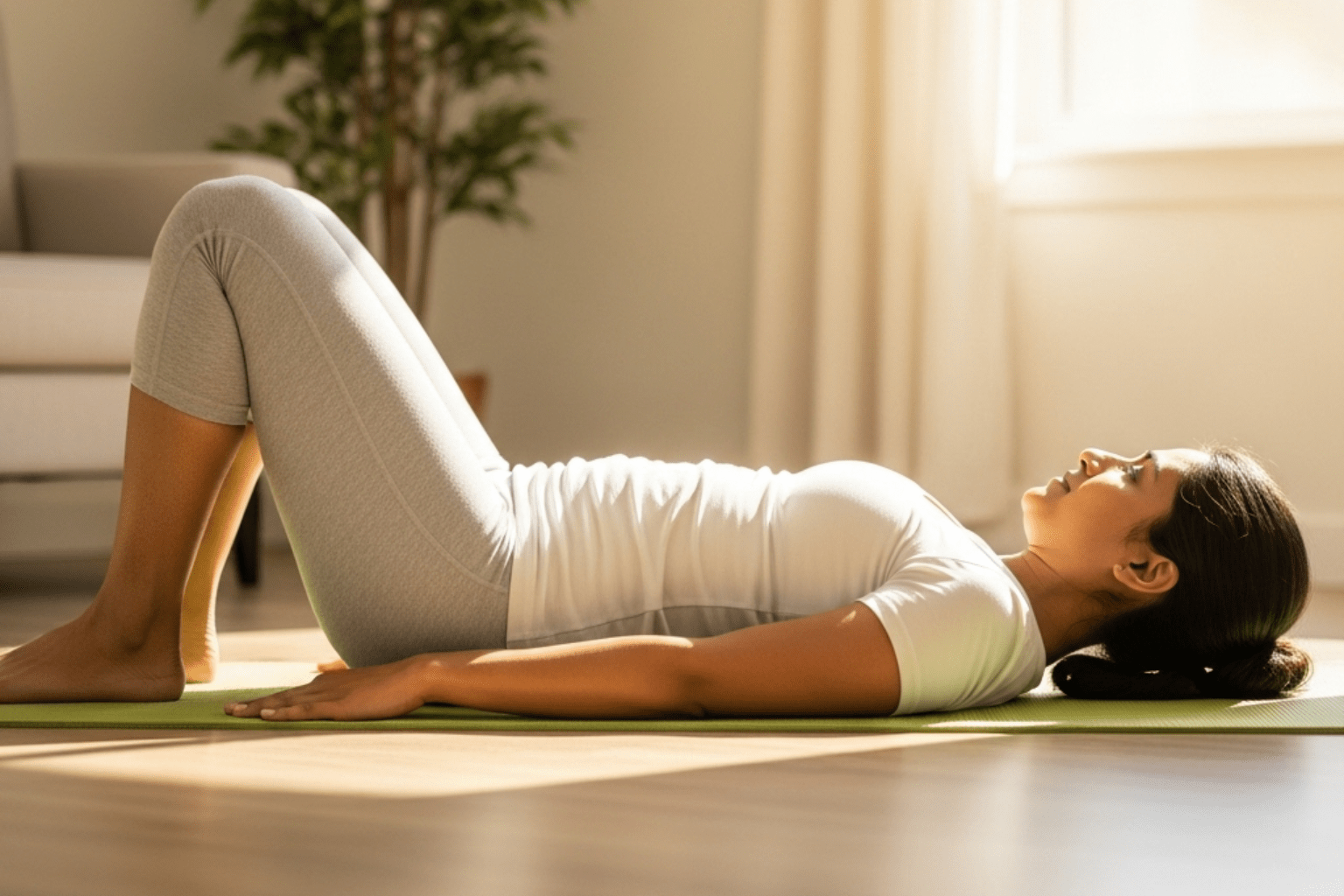
- Lie on your back, knees bent.
- Inhale deeply, expanding your belly.
- Exhale slowly, feeling your abs gently tighten. 🕐 Do 5 minutes daily.
💬 Why it works: This reconnects your core and improves oxygen flow for recovery.
Step 2: Strengthen Your Pelvic Floor (Week 2–3)
Exercise: Kegel Contractions
- Squeeze your pelvic muscles (like stopping urine flow).
- Hold for 3–5 seconds, then release. 🕐 Repeat 10 times, 3 sets per day.
💬 Why it works: Builds a strong foundation for core stability and bladder control.
Step 3: Activate Deep Core Muscles (Week 3–4)
Exercise: Pelvic Tilts
- Lie on your back, knees bent.
- Flatten your back against the floor by gently tightening your abs. 🕐 Hold 5 seconds, repeat 10–15 times.
💬 Why it works: Strengthens the transverse abdominis — your body’s natural corset.
Step 4: Add Gentle Functional Movements (Week 4–6)
Exercise: Heel Slides or Bird Dog
- Move one leg out while keeping your back flat.
- Alternate sides slowly. 🕐 2 sets of 10.
💬 Why it works: Improves coordination between your abs, hips, and back — essential for daily tasks.
Step 5: Support Your Recovery with Tools
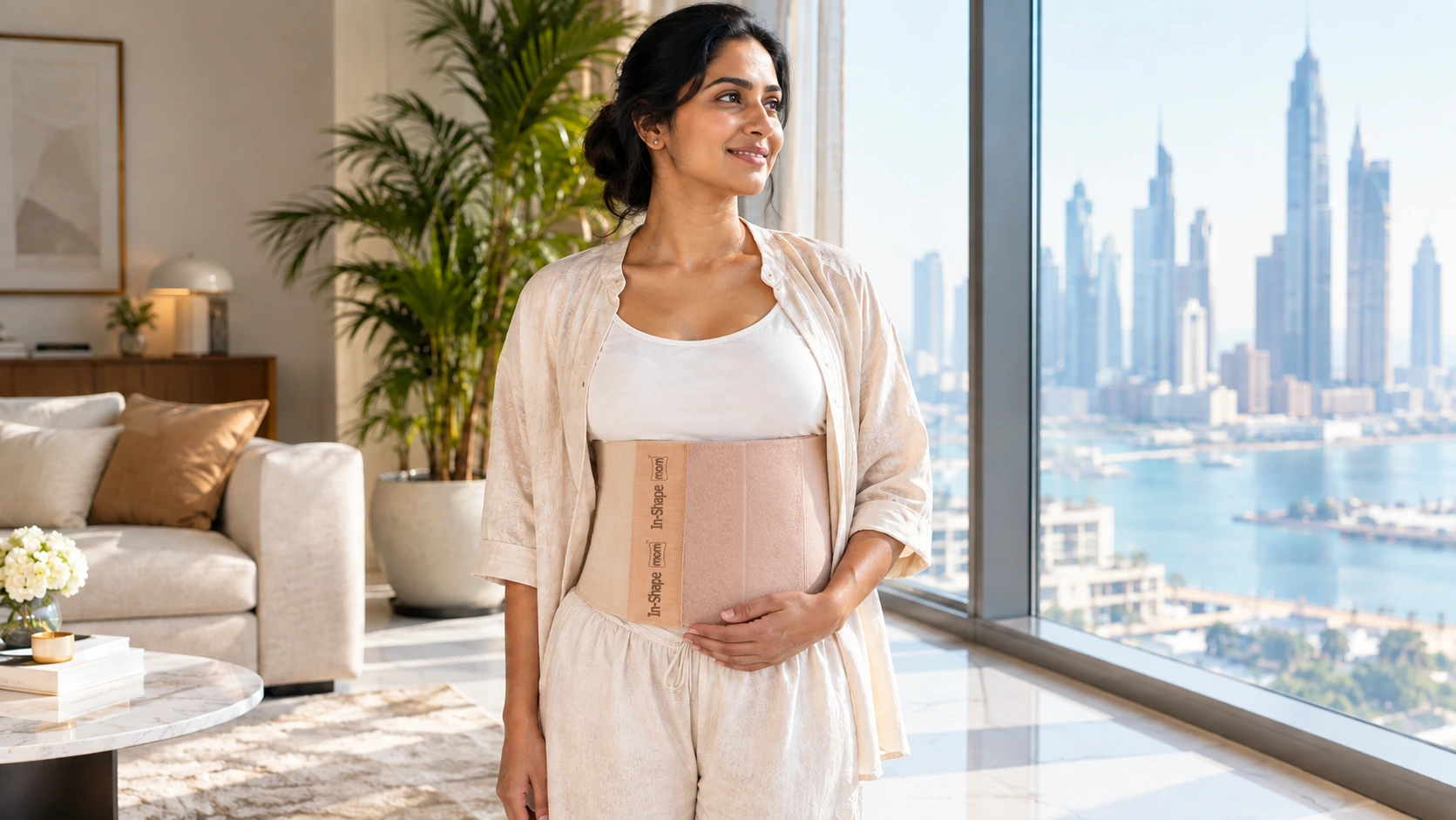
Consider using a postpartum belt during early recovery. It helps:
- Support weakened abdominal muscles
- Improve posture
- Reduce back strain
- Enhance core engagement during light exercises
👉 Tip: Choose a breathable, medical-grade belt like the ones featured by InShapeMom, designed for Indian climates and gentle recovery.
🌿 Lifestyle Tips for Rebuilding Core Strength Safely
- 🕊️ Eat protein-rich foods (lentils, eggs, paneer, fish) for muscle repair
- 💧 Stay hydrated to support tissue healing
- 😴 Prioritize rest — muscles rebuild while you sleep
- 🚶♀️ Walk daily to improve circulation and core endurance
- 💖 Be patient — slow progress leads to lasting results
💬 When to Consult a Doctor or Physio
Seek help if you experience:
- Pain or bulging around your belly
- Urine leakage during exercise
- Persistent back or pelvic pain
- Difficulty engaging your core
A postpartum physiotherapist can personalize your recovery safely.
1️⃣ What is the safest way to rebuild core strength after pregnancy?
The safest way to rebuild core strength after pregnancy is to begin with gentle breathing and pelvic floor exercises before progressing to deeper abdominal strengthening. Always get your doctor’s approval first and focus on slow, controlled movements that avoid pressure on your abdomen.
2️⃣ When can I start doing core exercises after giving birth?
Most moms can start light breathing and pelvic floor exercises a few days after a normal delivery (once approved by a doctor). For C-section recovery, wait around 6–8 weeks or until your healthcare provider confirms your incision has healed.
3️⃣ Can I do crunches or planks after pregnancy?
Avoid traditional crunches or planks in the early postpartum stage, as they can worsen diastasis recti (ab separation). Instead, focus on core-safe movements like pelvic tilts, heel slides, or bird dogs until your abs have healed and strengthened.
4️⃣ How do I know if I have diastasis recti?
You may have diastasis recti if you notice a gap or bulge in the middle of your belly when you lift your head from a lying position. A physiotherapist can measure the gap and guide you on safe postpartum exercises to close it gradually.
5️⃣ How can I protect my pelvic floor while strengthening my core?
To protect your pelvic floor, never hold your breath or strain during exercises. Incorporate Kegel exercises, maintain proper posture, and use a supportive postpartum belt to reduce pressure and encourage proper alignment during recovery.
6️⃣ What are the best foods to support core recovery after childbirth?
Include protein-rich foods (eggs, lentils, paneer, fish) and fiber-rich vegetables in your diet. Stay hydrated, eat healthy fats (nuts, ghee, avocado), and add iron and calcium sources to help muscles heal and regain strength faster.
7️⃣ Can a postpartum belt help in core strengthening?
Yes, a postpartum recovery belt can support your abdominal and lower back muscles, improve posture, and help you engage your core safely during early exercises. Choose a breathable, adjustable belt like InShapeMom’s postpartum recovery belt for comfort and effective results.